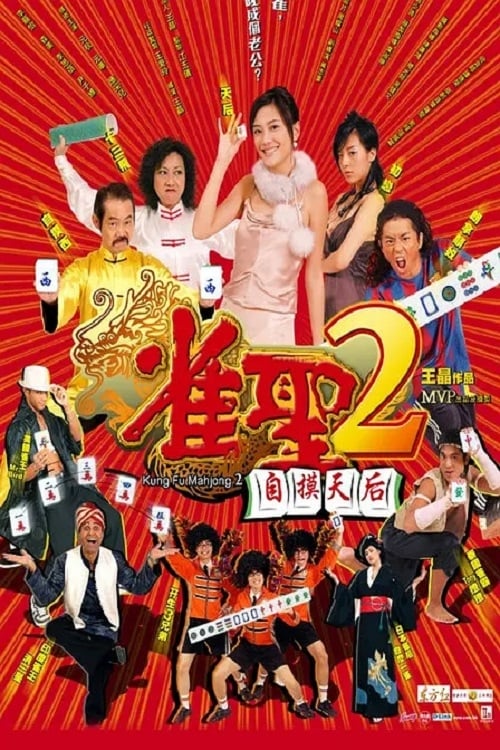
Kung Fu Mahjong 2
2005
No user ratings available yet
Representation score: 4.3 out of 10
Representation Score
Fair
2005
Not RatedDirector
Billy Chung Siu-Hung, Wong Jing
Runtime
98 minutes
Average Rating
No ratings yetNew Showbiz Analysis
Kung Fu Mahjong is a genre-driven comedy that prioritizes kinetic entertainment and traditional archetypes over sociological depth. It succeeds in immersing viewers in specific Cantonese cultural rituals, particularly through the central role of Mahjong. While the film gives significant roles to female characters like Auntie Fei, it remains tethered to conventional romantic and patriarchal structures. The representation of mental health is functional rather than nuanced, using psychological distress to drive the plot forward. Ultimately, the film is a culturally specific work that lacks multi-layered complexity. It celebrates local identity and social dynamics without attempting to disrupt or deconstruct established social hierarchies.
Category Breakdown
The story focuses on heterosexual romance, specifically the protagonist's relationship with a mistress. There is no evidence of same-sex intimacy or non-binary gender identities.
Auntie Fei provides a strong presence as an authoritative business owner and healer. However, the central conflict remains rooted in patriarchal hierarchies and male power dynamics.
The film offers a culturally specific Cantonese cast. While ethnically homogenous, it provides a robust representation of East Asian social practices and local identity.
The narrative centers on local social structures and the ritualistic importance of Mahjong. It explores gambling and obsession within traditional Cantonese social dynamics.
The protagonist's mental breakdown serves primarily as a plot device for a recovery arc. The depiction of mental health is stylized rather than a realistic exploration.
Present on Screen
Limited or Absent
Official Synopsis
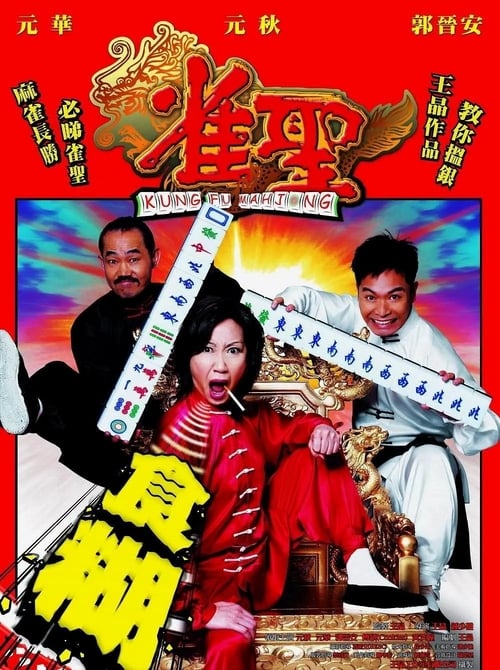
Chi Mo Sai (Yuen Wah) meets Wong (Roger Kwok) in Auntie Fei's (Yuen Qiu) cafe and learns that Wong has photographic memory. He decides to exploit this skill by teaching Wong how to play Mahjong, but Fei, Wong's boss, strongly objects to it. Despite Fei's objections, Wong learns Mahjong from compulsive gambler Chi Mo Sai. He impresses triad boss Tin Kau Ko (Wong Jing). Wong falls in love with Tin's mistress (Theresa Fu) and is beaten by Tin's men. Wong then becomes crazy. Luckily, Fei cured him using Mahjong. Fei wanted Wong to beat Tin in the "King of Mahjong" competition and be the King of Mahjong. The film ends with a climactic "King of Mahjong" Competition. It is the only film made in 2005 to boast of having a sequel made in 2005.
2005
1990
1981
1990
1998
2020
1995
2009
No reviews yet. Be the first to share your thoughts on this movie!
Use the rating form above to leave a star rating and optional review.