
The Amazing Mr. X
1948
No user ratings available yet
Representation score: 3.1 out of 10

Representation Score
Minimal
1946
Director
Vernon Sewell
Runtime
80 minutes
Average Rating
No ratings yetNew Showbiz Analysis
Frenzy is a conventional mid-century thriller that adheres strictly to the social and narrative constraints of its era. The story relies on established genre clichés, such as the disappearance of a female lead, which limits the role of women within the plot. The film does not make intentional efforts to address social hierarchies or represent multiple aspects of identity. It serves as a standard period piece, reflecting the homogeneous casting and traditional moral frameworks common in 1946 British cinema. Ultimately, the work does not aim to challenge the status quo, instead presenting a narrative that mirrors the era's lack of diversity.
Category Breakdown
The film focuses on a seance and a missing person, but does not include any representation of non-straight or non-cisgender identities. It also does not critique the assumption that everyone is straight or cisgender.
The story centers around a missing wife, a common cliché that often positions women as passive subjects. The narrative seems to reinforce mid-century gender roles through the portrayal of victimhood or male-led investigations.
Reflecting the standards of 1946, the film lacks evidence of a diverse cast. The narrative structure aligns with the homogeneous casting typical of British thrillers from that time.
While the film includes a seance, it does not use spiritualism to critique Western institutions. Instead, it operates within the moral frameworks of post-war cinema.
There is no evidence indicating the inclusion of characters with physical or neurodivergent disabilities in this production.
Present on Screen
Limited or Absent
Official Synopsis
A spooky seance is held to discover the whereabouts, and the killer, of a sculptor's wife.
1948
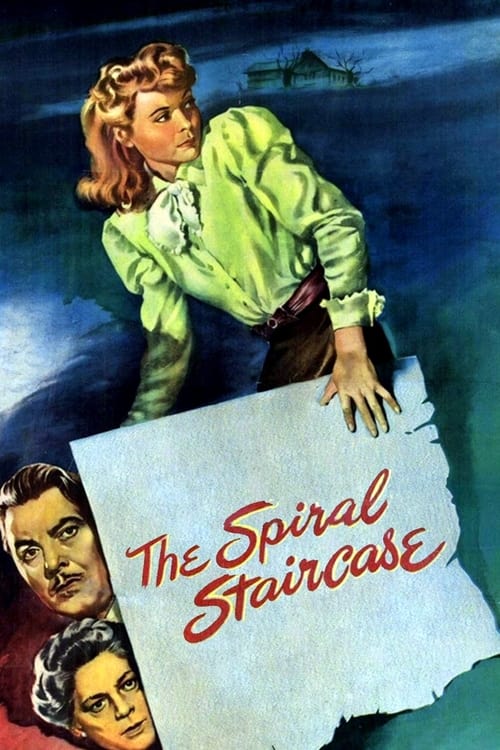
1946
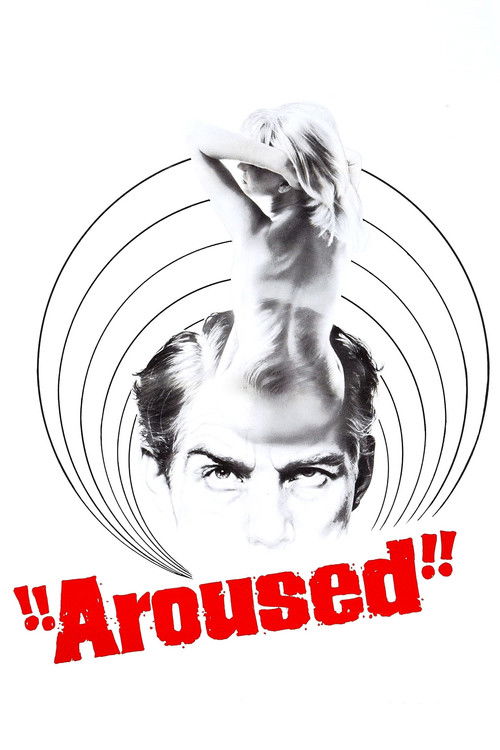
1966
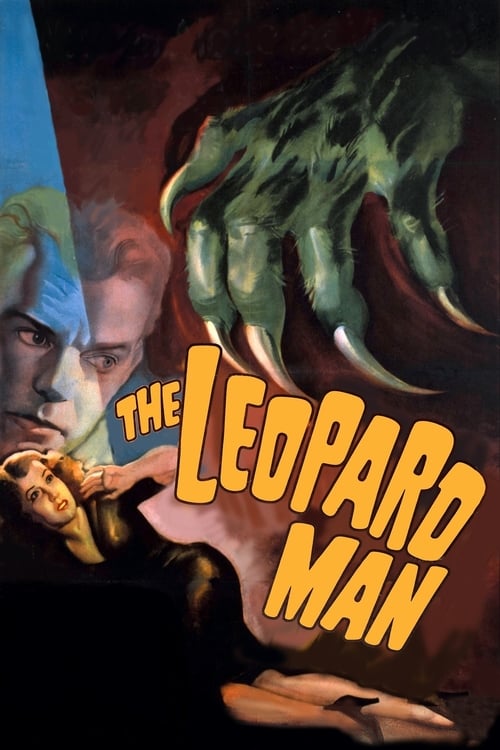
1943
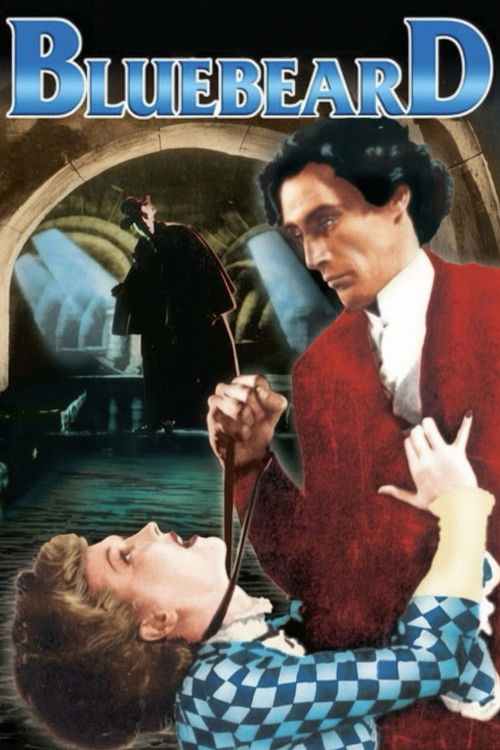
1944
1965

1965
1939
No reviews yet. Be the first to share your thoughts on this movie!
Use the rating form above to leave a star rating and optional review.