
Promised Heaven
1991
No user ratings available yet
Representation score: 5.7 out of 10
Representation Score
Good
2004
Director
Anna Melikyan
Runtime
100 minutes
Average Rating
No ratings yetNew Showbiz Analysis
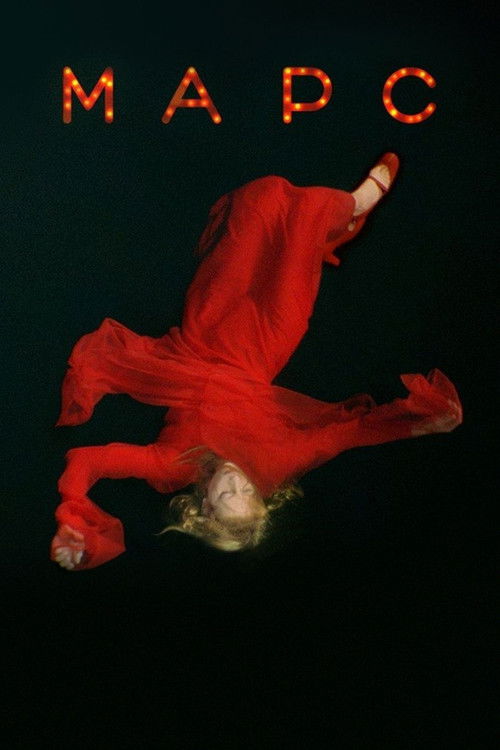
Mars is a surrealist allegory that finds its strength in critiquing systemic issues rather than demographic diversity. By replacing traditional currency with toys, the film challenges established economic and social norms through a highly stylized lens. The narrative prioritizes women's ability to drive the story and social reimagining. While it lacks depth in LGBTQ+ and racial diversity, it succeeds in providing a sophisticated commentary on institutional stagnation and the human desire for escape. Ultimately, the film's diversity is found in its intellectual structure. It moves away from traditional storytelling clichés to explore how individuals navigate a world governed by unconventional social orders.
Category Breakdown
The film doesn't include explicit LGBTQ+ stories or characters. It remains neutral without promoting harmful stereotypes or positive representation.
Greta embodies a strong sense of women's ability to drive the story, driven by a desire for independence. The narrative focuses on female perspectives to challenge traditional patriarchal structures.
The film is set in a culturally homogeneous, isolated Russian town. This environment limits the presence of diverse racial or ethnic backgrounds.
The film offers a deep critique of capitalist logic through its surrealist economy. It uses a Marxist-inspired setting to challenge traditional institutional power structures.
There are no characters with visible or invisible disabilities. This absence doesn't significantly affect the film's themes.
Present on Screen
Limited or Absent
Official Synopsis
Somewhere deep, deep in Russia there is a town called Marks (named after Karl Marks, founder of Communism theory) where all people are working on toy factory and receiving their wages as toys. News from other cities are arriving on very rare occasion. One morning, Boris, a former boxing who is running from something, wakes up in train and see four letters MAR_S. From his first steps he starts to meet new people as Gregori, young man with a dream who is in love with local librarian, Greta, whose dream is to get out from this god-forgotten town. With each new step, he is meeting new people, but the past is hard to escape
1991
2011
2018
2006

1995
1999

1998

1985
No reviews yet. Be the first to share your thoughts on this movie!
Use the rating form above to leave a star rating and optional review.