
I.O.U.S.A.
2008
No user ratings available yet
Representation score: 1.1 out of 10
Representation Score
Limited
2018
PGDirector
Doug Orchard
Runtime
75 minutes
Average Rating
No ratings yetNew Showbiz Analysis
The Power of Zero is a specialized documentary that prioritizes macroeconomic critique over personal or identity-based representation. Its narrative focuses on the systemic threats posed by US national debt and impending austerity measures. While the film offers a moderate critique of Western fiscal institutions, it lacks the breadth necessary for a higher diversity rating. The focus remains on macro-level societal threats rather than the detailed representation of underrepresented identities. Ultimately, the film's narrow thematic focus on institutional stability and fiscal policy results in a low overall diversity score.
Category Breakdown
The film focuses solely on fiscal policy and national debt. There are no characters or themes related to LGBTQ+ identities.
The documentary examines systemic economic structures. It does not provide specific gendered representations or hierarchies.
The film addresses US debt and its societal impact. It does not explicitly highlight diverse racial perspectives or use race-bent casting.
The narrative critiques traditional Western institutions by framing US debt as a threat to the social fabric. It challenges the stability of capitalist systems.
There is no evidence of neurodivergent or physically disabled perspectives within the film's scope.
Present on Screen
Limited or Absent
Official Synopsis
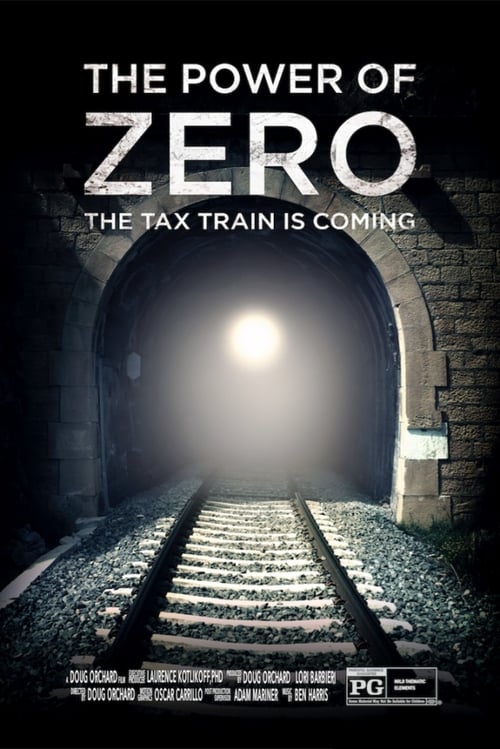
As the US debt spirals out of control, it polarizes society and threatens to disrupt traditional retirement with an impending freight train of onerous taxes and draconian austerity measures.
2008
2009
2011
2013
2024

2022

2020
2019
No reviews yet. Be the first to share your thoughts on this movie!
Use the rating form above to leave a star rating and optional review.