
Oeconomia
2020
No user ratings available yet
Representation score: 4.1 out of 10
Representation Score
Good
2024
Director
Maren Poitras
Runtime
95 minutes
Average Rating
No ratings yetNew Showbiz Analysis
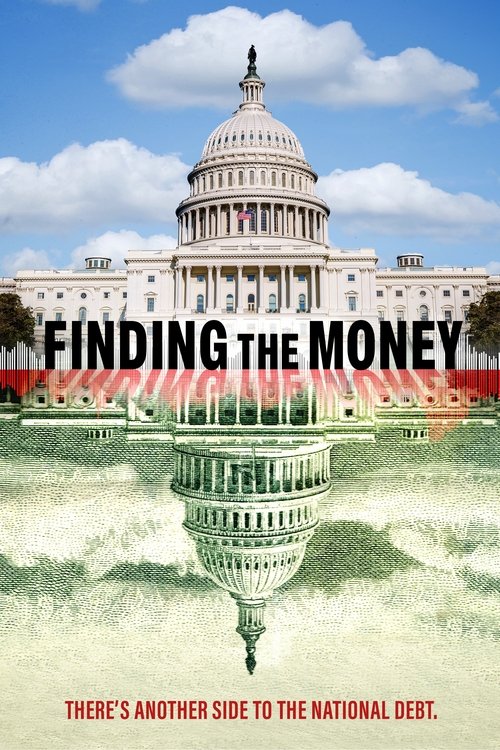
Finding the Money serves as a tool for challenging conventional economic thinking. It shifts the focus from scarcity to abundance, empowering global solutions to modern crises. The film disrupts traditional gender roles by placing a woman at the forefront of economic theory. Additionally, it critiques established power structures and fiscal policies. However, the film’s focus on high-level economic concepts means it does not explicitly address specific identity-based representation, such as LGBTQ+ or disability.
Category Breakdown
The documentary does not specifically address LGBTQ+ identities or characters. Its main focus is on macroeconomic theory rather than personal identities.
The film challenges traditional gender roles by highlighting economist Stephanie Kelton as the primary intellectual figure. This choice centers a woman in a male-dominated field of study.
The film aims to empower countries globally to address economic inequality. Although the core subject is US-focused, the overall message suggests a broader perspective beyond just Anglo-centric models.
The documentary critically examines Western economic principles. It questions traditional fiscal conservatism and the foundations of modern capitalism to address global issues.
There is no information available regarding the depiction of physical or neurodivergent disabilities in this work.
Present on Screen
Limited or Absent
Official Synopsis
FINDING THE MONEY follows economist Stephanie Kelton on a journey through Modern Money Theory or “MMT”. Kelton provocatively asserts the National Debt Clock that ticks ominously upwards in New York City is not actually a debt for us taxpayers at all, nor a burden for our grandchildren to pay back. Instead, Kelton describes the national debt as simply a historical record of the number of dollars created by the US federal government currently being held in pockets, as assets, by the rest of us. MMT bursts into the media with journalists asking, “Have we been thinking about how the government spends money, all wrong?” But top economists from across the political spectrum condemn the theory as “voodoo economics”, “crazy” and “a crackpot theory”. FINDING THE MONEY traces the conflict all the way back to the story we tell about money, injecting new hope and empowering countries around the world to tackle the biggest challenges of the 21st century: from climate change to inequality.
2020

2015
2012
2009
2019

2020
2021

2010
No reviews yet. Be the first to share your thoughts on this movie!
Use the rating form above to leave a star rating and optional review.