
Bon Appétit
2010
No user ratings available yet
Representation score: 4.5 out of 10
Representation Score
Fair
1995
Director
Laurent Bénégui
Runtime
91 minutes
Average Rating
No ratings yetNew Showbiz Analysis
Au petit Marguery is a traditional character study that prioritizes classical narrative structures and localized themes. It functions as a conventional exploration of professional and personal loss within a standard social framework. The film lacks complexity in reflecting multiple aspects of identity and systemic subversion. It adheres to established cultural norms, particularly regarding the culinary arts and French social circles, rather than deconstructing them. While the central disability provides a strong narrative engine, the film's overall approach remains rooted in mid-90s European dramatic conventions.
Category Breakdown
The film focuses on a chef's professional decline and the conflicts among his patrons. There are no visible LGBTQ+ characters or stories that challenge the assumption that everyone is straight or cisgender.
The story centers on a male chef facing professional dissolution. Women are part of the ensemble, but the film maintains a traditional focus on male-dominated professional hierarchies.
Set in a traditional Parisian culinary environment, the film reflects the demographic homogeneity common in mid-90s French dramas. It lacks evidence of diverse racial or ethnic casting.
The film explores themes of legacy and craft through a French gastronomic lens. It operates within established European cultural frameworks rather than offering institutional critiques.
The plot is driven by the protagonist's loss of smell, which is central to his struggle. However, the film's approach remains rooted in mid-90s European dramatic conventions.
Present on Screen
Limited or Absent
Official Synopsis
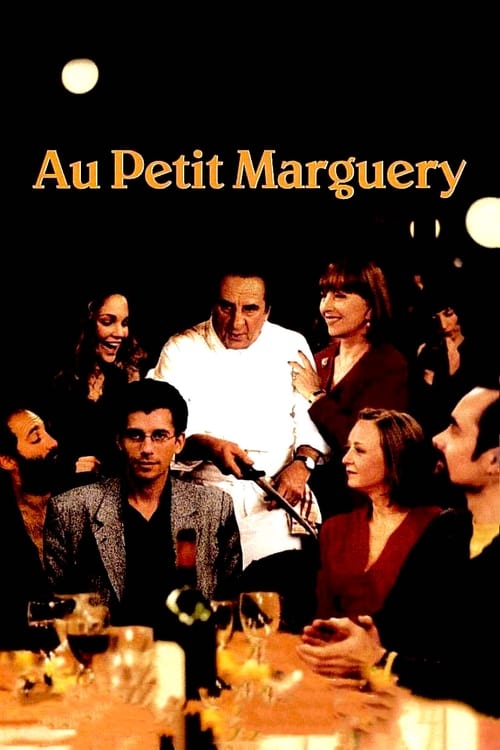
Hippolyte, the chef at the small Paris restaurant of the title, is losing his sense of smell - and without that, you can’t cook. Not in France. The restaurant has to close. Guests and customers of the ailing master chef gather for one last fabulous meal. Between courses, personal conflicts are explored and flashbacks flesh out incidents from the lives of the restaurant owners.
2010

1998

2021

1995

2007
1996
1986

2007
No reviews yet. Be the first to share your thoughts on this movie!
Use the rating form above to leave a star rating and optional review.