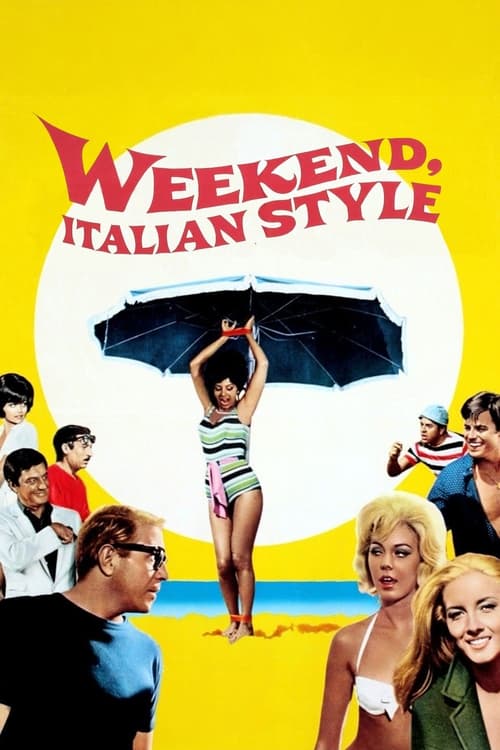
Weekend, Italian Style
1965
No user ratings available yet
Representation score: 6.0 out of 10

Representation Score
Good
1959
Director
Dino Risi
Runtime
88 minutes
Average Rating
No ratings yetNew Showbiz Analysis
Dino Risi’s satire deconstructs Italian social structures and the performative nature of morality. The film questions the stability of the nuclear family and the perceived permanence of class status, presenting identity as fluid rather than fixed by social hierarchy. However, the work lacks broad diversity. The narrative is confined to the demographic homogeneity of 1950s Italy, offering minimal engagement with racial or ethnic diversity or LGBTQ+ identities. Ultimately, the film provides moderate progressive value by challenging the stability of the nuclear family and the perceived permanence of class status through its comedic lens.
Category Breakdown
The film focuses on the breakdown and rebuilding of traditional heterosexual marriages. There is no clear indication of queer undertones or non-straight identities in the story.
Salvatore’s memory loss removes his traditional masculine authority and social standing. This shifts the power dynamic from patriarchal dominance to emotional vulnerability and reconnection.
Set in late-1950s Italy, the film reflects the homogeneous demographics of the time. The story centers on local domestic and class-based conflicts.
The narrative critiques social climbing and the superficiality of material success. It views capitalist achievements as unstable and subject to the whims of fate.
Amnesia serves as a central plot driver rather than a purely tragic device. It allows the protagonist to navigate the world through a different cognitive perspective.
Present on Screen
Limited or Absent
Official Synopsis
After a series of misunderstandings and other unfortunate incidents, the honeymoon of two young couples ends sooner than planned. Back at their starting point, the ensuing conflict leads to one of the couples separating. Salvatore, who moves away, is hit in the street by a car and loses his memory: he has lost his memories of his friends and family - until he meets his wife Marisa, in which he falls in love again ...
1965
1955
1936

1952
1962
1963
1979
1944
No reviews yet. Be the first to share your thoughts on this movie!
Use the rating form above to leave a star rating and optional review.