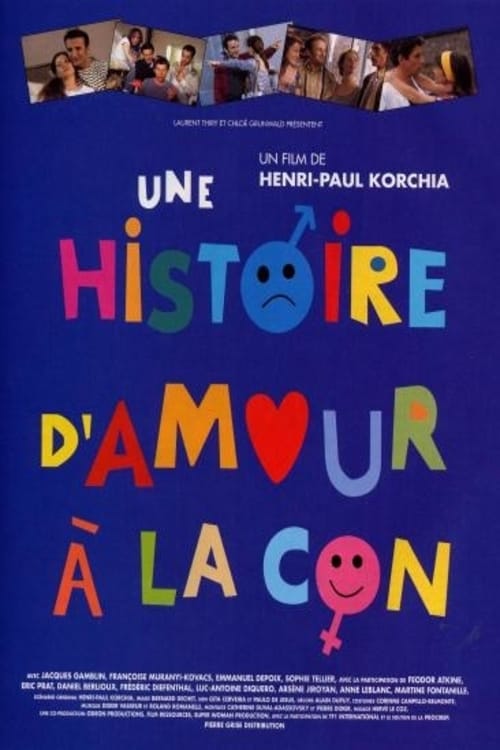
Une histoire d'amour à la con
1996
No user ratings available yet
Representation score: 3.3 out of 10
Representation Score
Limited
1996
Director
George Mihalka
Runtime
110 minutes
Average Rating
No ratings yetNew Showbiz Analysis
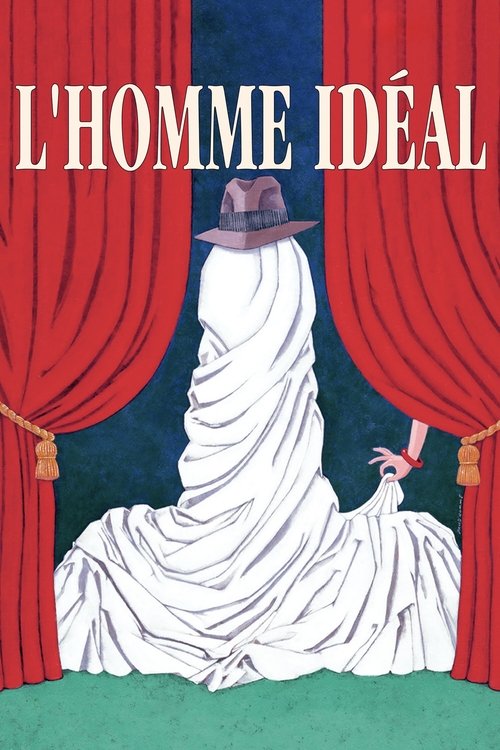
The Ideal Man is a mid-90s romantic comedy that prioritizes traditional narrative structures over social subversion. While it highlights a female lead with professional autonomy, the central conflict remains tied to conventional family goals and social norms. The film lacks complexity in addressing multiple aspects of identity, focusing instead on the interpersonal dynamics of a romantic quartet. It adheres to the established cinematic formulas of its time without challenging systemic social or religious hierarchies. Ultimately, the film serves as a standard character study. It provides insight into personal ability to act through its protagonist while remaining within the bounds of mainstream, traditionalist storytelling.
Category Breakdown
The film follows a traditional romantic-comedy structure focused on heterosexual relationships. There are no non-straight identities or same-sex interactions in the story.
Lucie is a successful magazine editor who plays a significant role in driving the story. However, the plot centers on choosing a father for her child, reinforcing traditional gender roles in family formation.
The film features a predominantly white cast, typical of mid-90s Canadian comedies. There is no evidence of a racially diverse cast or actors playing roles outside their traditional backgrounds.
The story focuses on biological clocks and traditional family pressures without questioning Western institutions. It functions as a character study of personal desires rather than a critique of societal norms.
The narrative does not include any characters with visible or invisible disabilities. Disability is not used as a central plot device in this story.
Present on Screen
Limited or Absent
Official Synopsis
Marie, incapable of choosing between three marriage proposals, decides to give up. Circumstances mean that the three men meet. Far from being hostile, Stéphane, Fabrice and Paul console each other....
1996
1985
2015
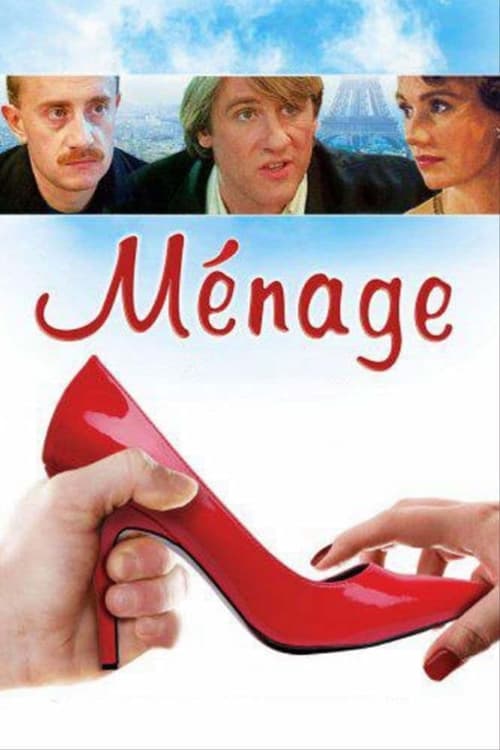
1986
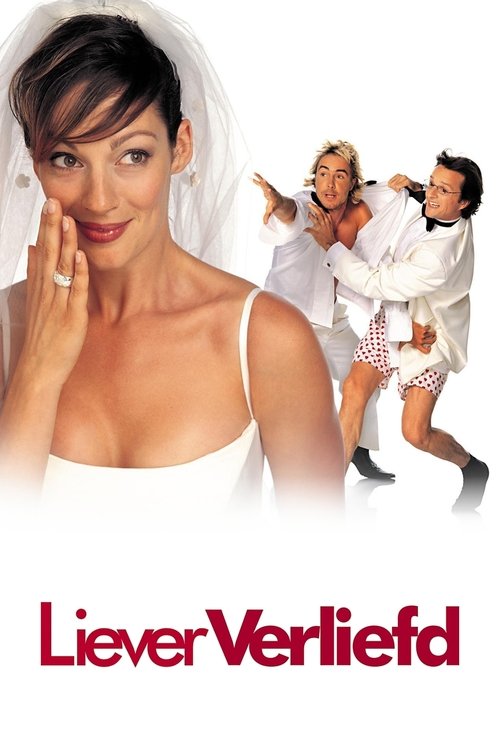
2003
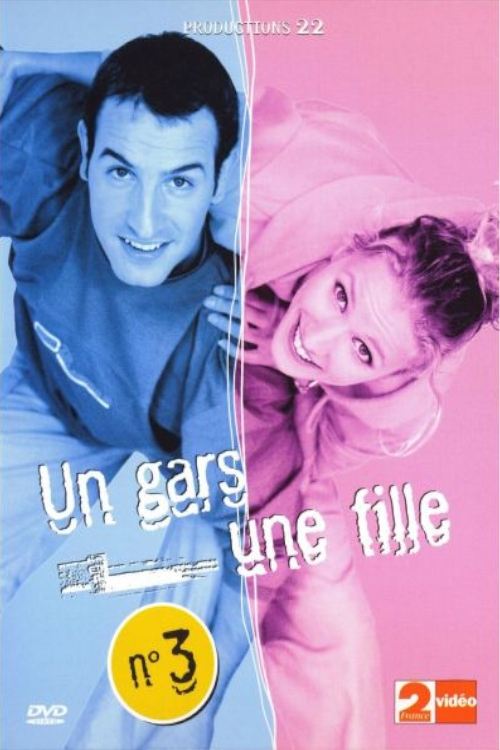
2002
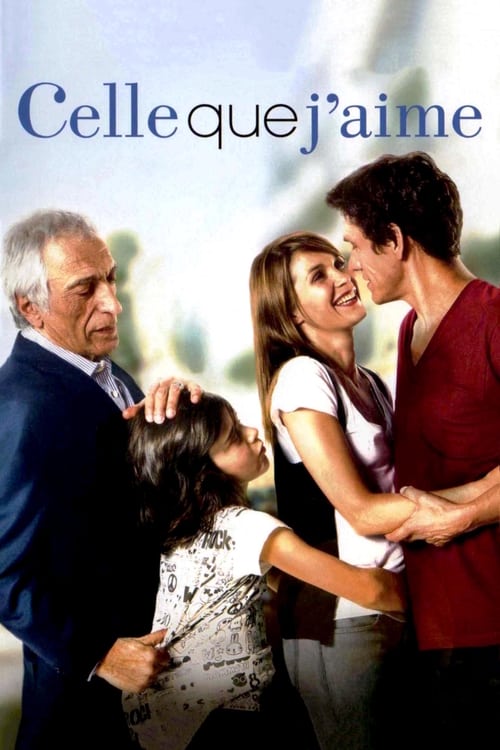
2009
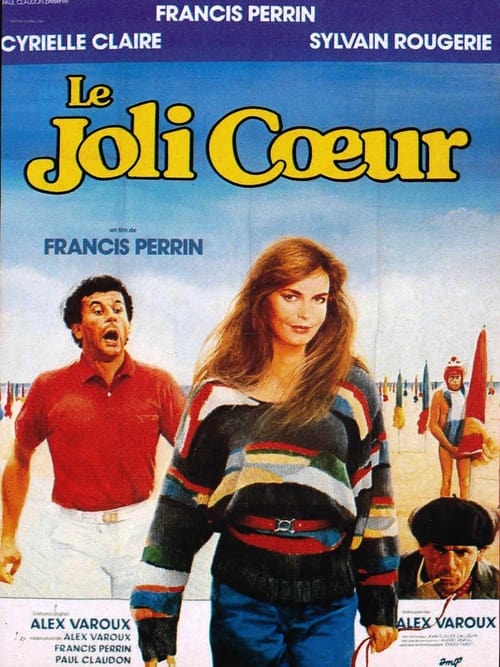
1984
No reviews yet. Be the first to share your thoughts on this movie!
Use the rating form above to leave a star rating and optional review.