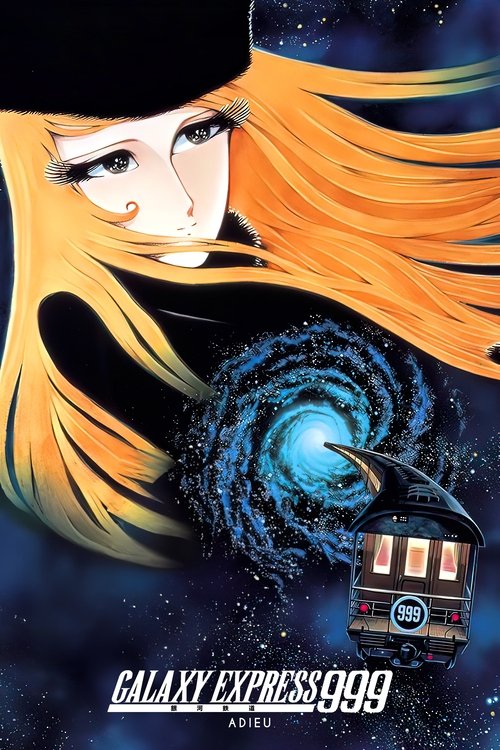
Adieu Galaxy Express 999
1981
No user ratings available yet
Representation score: 7.8 out of 10

Representation Score
Good
1979
PGDirector
Rintaro
Runtime
128 minutes
Average Rating
No ratings yetNew Showbiz Analysis
Rintaro’s sci-fi epic excels at systemic critique, using a vast space opera framework to challenge materialist progress and traditional gender power dynamics. Maetel stands out as a powerful, non-traditional female lead who guides the protagonist through existential crises. However, the film lacks explicit LGBTQ+ characters and nuanced depictions of disability. While mechanical augmentation is a central theme, it serves a philosophical purpose rather than addressing the lived realities of physical or sensory impairment. Ultimately, the film's strength lies in its universalist, multi-species perspective and its subversion of capitalist hierarchies, even if it remains within traditional relational frameworks for its human characters.
Category Breakdown
The film lacks explicit LGBTQ+ characters or representations of non-straight relationships. The bond between Tetsuro and Maetel is portrayed through a maternal and protective lens rather than through a queer perspective.
Maetel breaks traditional gender roles by having significant influence and intellectual authority. She acts as a sophisticated mentor and driver of the journey, avoiding the damsel-in-distress stereotype.
A cosmic setting uses various alien life forms to symbolize ethnic diversity. This multi-species perspective effectively challenges the idea of a homogeneous society.
The narrative offers a sophisticated critique of materialism and consumerism. It emphasizes existentialist morality over strict dogma, suggesting life's value lies in its finite nature.
Representation of disability is limited, with mechanical bodies serving as philosophical metaphors for class. The film focuses on the existential implications of cyborgs rather than the lived experiences of those with impairments.
Present on Screen
Limited or Absent
Official Synopsis
In the future, one can achieve immortality by obtaining a mechanized body. Orphaned, young Tetsuro hitches a ride on the space train Galaxy Express 999 in the hope of obtaining a cyborg body to avenge his mother's death. Along the way, he meets Maetel, who is the spitting image of his dead mother.
1981

1982

1978
1987
2009
1990
1985
2006
No reviews yet. Be the first to share your thoughts on this movie!
Use the rating form above to leave a star rating and optional review.