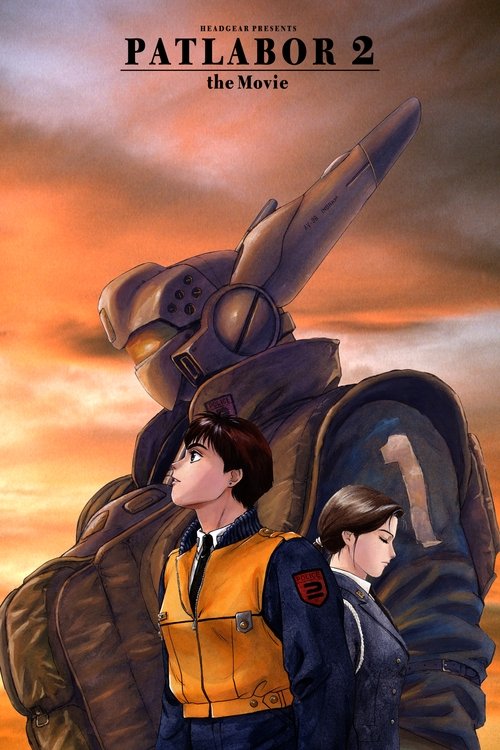
Patlabor 2: The Movie
1993
No user ratings available yet
Representation score: 6.5 out of 10
Representation Score
Good
1989
UnratedDirector
Mamoru Oshii
Runtime
100 minutes
Average Rating
No ratings yetNew Showbiz Analysis
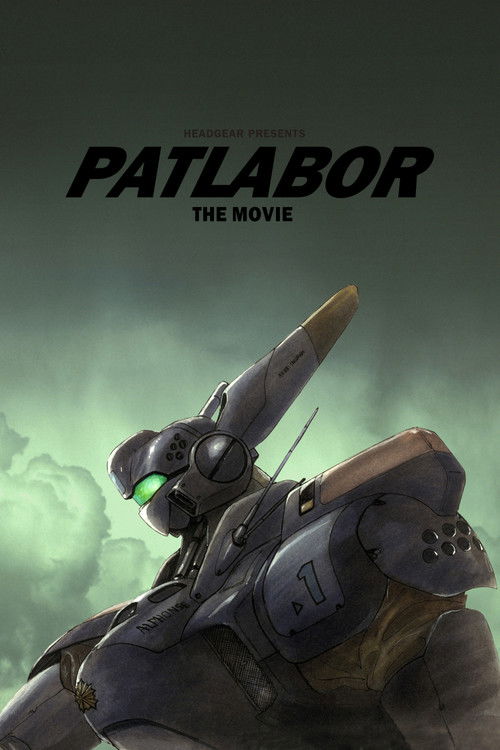
Patlabor: The Movie is a sophisticated piece of postmodern cinema that prioritizes intellectual depth over typical action clichés. Its main strength is in challenging traditional gender hierarchies, presenting women as decisive leaders in critical situations. However, the film remains socially narrow. It lacks explicit LGBTQ+ representation and a diverse cast, focusing instead on a localized Japanese perspective. While this provides a grounded urban experience, it misses opportunities for broader social inclusivity. Ultimately, the film's value lies in its critique of systemic vulnerabilities. It goes beyond simple heroics to explore how technological and institutional structures can become uncontrollable, offering a nuanced look at power and complexity.
Category Breakdown
The movie focuses on professional hierarchies and technical crisis management without depicting non-straight or transgender identities or same-sex relationships.
Female officers like Shinobu Naoko demonstrate intellectual and tactical leadership, emphasizing merit and technical skills over traditional gender roles.
The cast is mostly Japanese, reflecting the local Tokyo setting. While it highlights a non-Western urban experience, the absence of a multi-ethnic cast limits diversity.
The film critiques the weaknesses in advanced capitalist and technological systems, showing how centralized systems can become unstable and threaten social order.
The film does not include characters with visible or invisible disabilities. Disability is not used as a central theme or plot device.
Present on Screen
Limited or Absent
Official Synopsis
A mysterious suicide and a series of unmanned robot run-aways sparks off a Police investigation into the suspicious software on-board thousands of industrial robots around Tokyo.
1993

2015
2002
2004

1995
1988

2015

1991
No reviews yet. Be the first to share your thoughts on this movie!
Use the rating form above to leave a star rating and optional review.