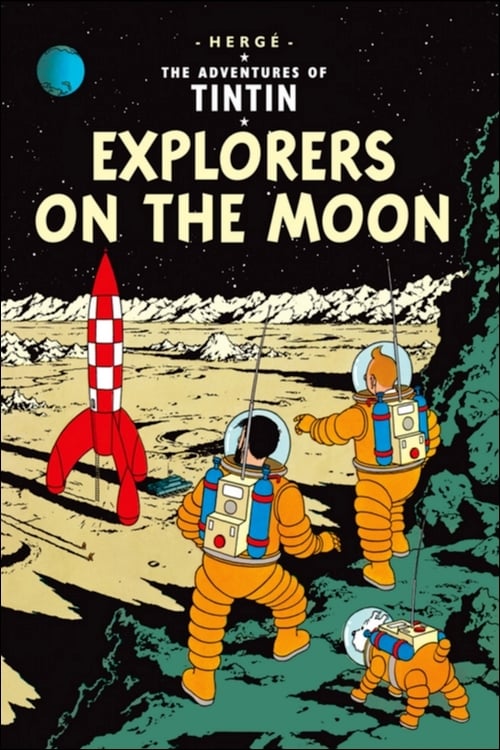
Explorers on the Moon
1992
No user ratings available yet
Representation score: 3.8 out of 10

Representation Score
Limited
1992
TV-GDirector
Stéphane Bernasconi
Runtime
42 minutes
Average Rating
No ratings yetNew Showbiz Analysis
Destination Moon follows a traditional adventure format, emphasizing the established narrative structure of the Tintin series. It adheres to mid-century clichés of heroism and scientific progress, reinforcing existing social hierarchies. The film centers on a masculine-driven framework, where technical and exploratory roles are held by a homogeneous group of European characters. This reliance on classical storytelling leads to a lack of representation across gender, race, and LGBTQ+ identities. Overall, the production upholds the status quo of its source material. It presents a world of institutional optimism that lacks the complexity or moral relativism found in more diverse modern narratives.
Category Breakdown
The film does not include any LGBTQ+ characters or storylines. It focuses on traditional adventure elements without addressing non-straight relationships.
Male characters dominate leadership and technical roles, while females play supporting roles without driving the main plot.
The main characters represent a largely homogeneous European background. International cooperation is shown, but there is no significant racial diversity or challenge to Anglo-centric casting.
The film portrays Western science positively and upholds traditional heroism and state-sponsored discovery without critiquing institutions.
The film does not feature characters with visible or invisible disabilities. Such identities are not used as plot devices.
Present on Screen
Limited or Absent
Official Synopsis
Tintin and his friends go to Syldavia and join a secret space program.
1992

1982
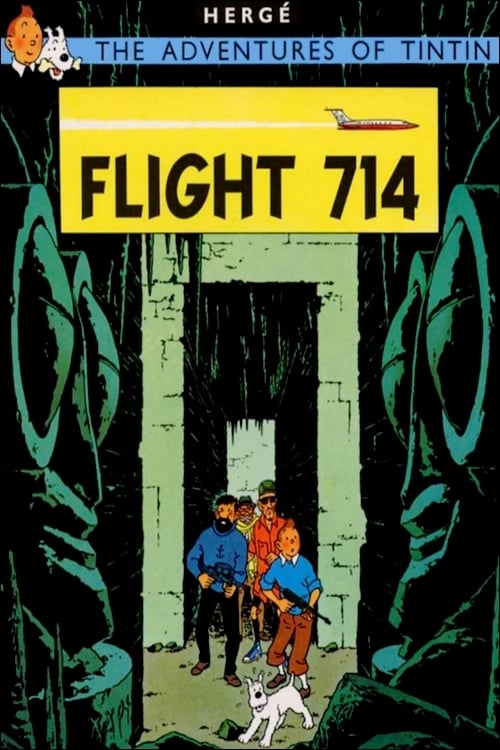
1992
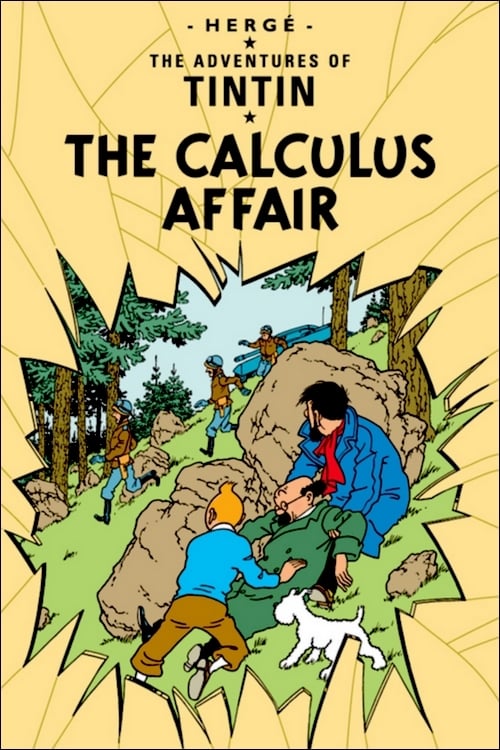
1991
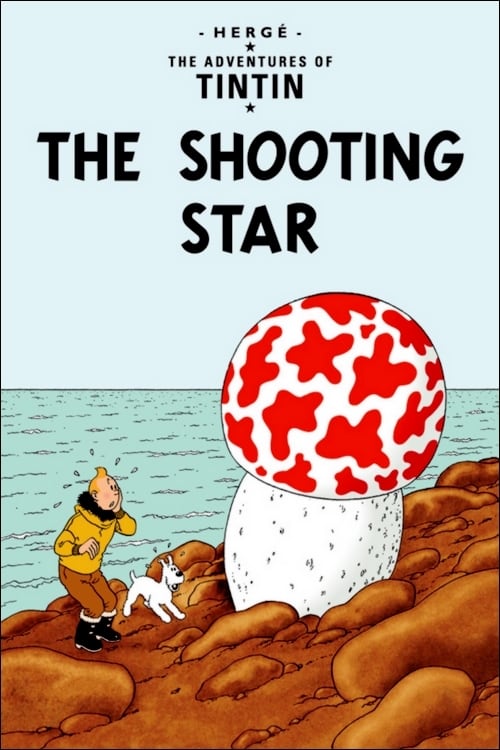
1992

1992
1992
1991
No reviews yet. Be the first to share your thoughts on this movie!
Use the rating form above to leave a star rating and optional review.