
The Romance of Aniceto and Francisca
1967
No user ratings available yet
Representation score: 4.2 out of 10

Representation Score
Fair
1996
Director
Mitl Valdez
Runtime
130 minutes
Average Rating
No ratings yetNew Showbiz Analysis
The Overturning of the Heart functions as a character study of social outsiders in 1941. It moves away from conservative storytelling by centering a romance that exists on the fringes of respectability. The film's strength lies in its cultural perspective and its willingness to engage with moral relativism. By focusing on a sex worker and a man grappling with regret, it avoids the sanitized clichés of typical period romances. However, the film lacks explicit indicators of queer identity or disability representation. While it challenges social norms, it does not provide clear evidence of high-level multi-layered complexity.
Category Breakdown
The film explores a romance involving a sex worker, challenging traditional social respectability. However, there is no explicit evidence of queer identity or same-sex intimacy.
The narrative disrupts romantic hierarchies by centering a woman from a underrepresented profession. This subverts the 'virtuous heroine' cliché, though her total control over the plot remains unverified.
The predominantly Hispanic cast and Mexican cinematic roots provide meaningful non-Anglo-Saxon perspectives. This offers a departure from the homogeneous norms of mid-century period dramas.
By focusing on a protagonist's regret and a underrepresented lover, the film critiques traditional social and religious hierarchies. It prioritizes subjective emotional truth over moral absolutes.
There is no evidence regarding the portrayal of physical or neurodivergent disabilities in the provided narrative details.
Present on Screen
Limited or Absent
Official Synopsis
1941, Jose Antelmo Cruz regrets his past while writing a novel and falling in love with a prostitute.
1967

1992

1999

2009
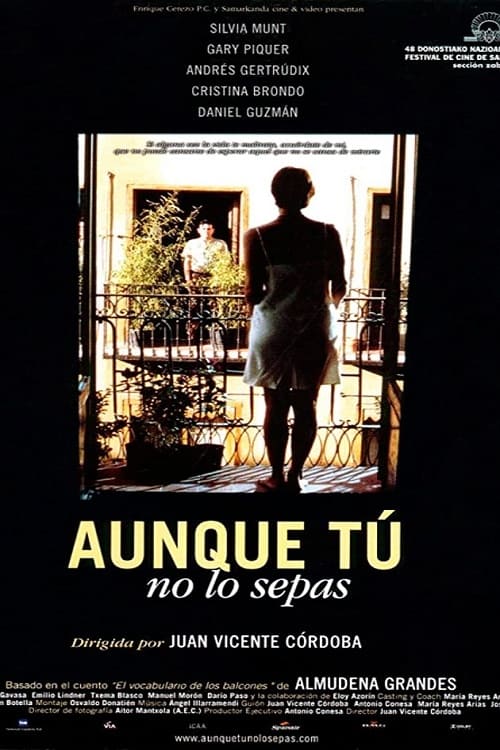
2001
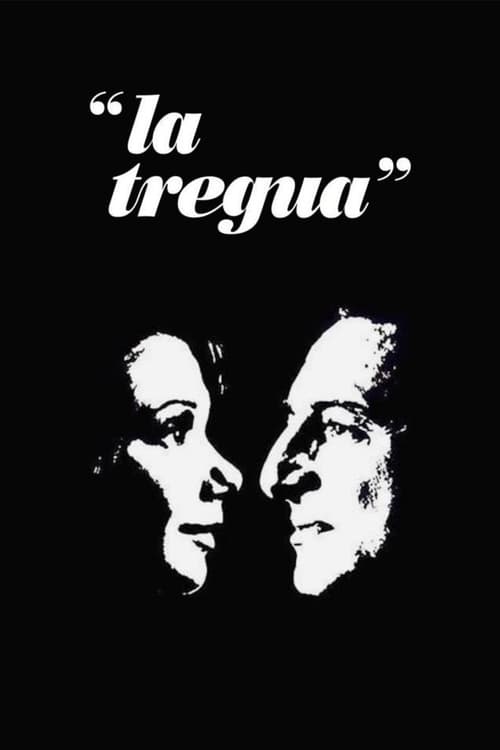
1974

1970

1982
No reviews yet. Be the first to share your thoughts on this movie!
Use the rating form above to leave a star rating and optional review.