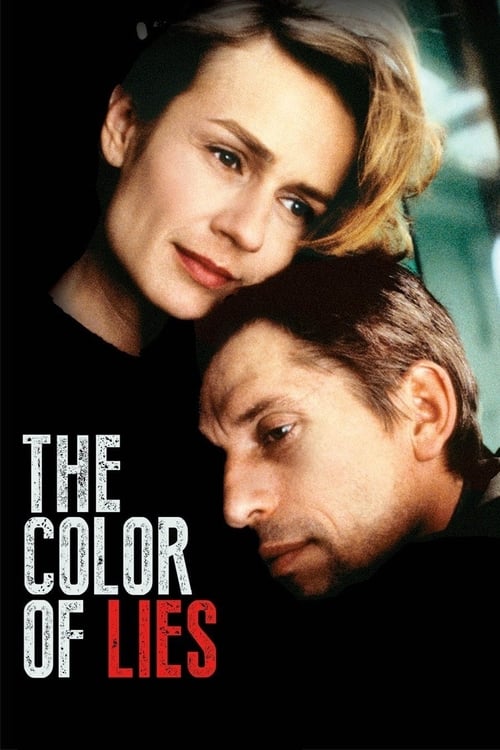
The Color of Lies
1999
No user ratings available yet
Representation score: 4.1 out of 10

Representation Score
Good
1967
Director
Juraj Herz
Runtime
87 minutes
Average Rating
No ratings yetNew Showbiz Analysis
Juraj Herz uses the hospital setting to deconstruct institutional stability and traditional authority. The film highlights women as professional equals who drive the emotional and investigative core of the drama. However, it remains demographically homogeneous, reflecting its historical context. While it delves into psychological complexity and the vulnerability of cognitive decline, it lacks multi-layered racial or explicit LGBTQ+ representation. Ultimately, the film's strength lies in its critique of social norms and its focus on the corruption of hierarchical power structures.
Category Breakdown
The film explores complex romantic relationships and professional interactions. Though it doesn't explicitly include non-straight identities, the focus on intricate personal and professional relationships adds depth to the characters.
Women play central roles with strong professional influence. Dr. Marie Nováková drives the plot's tension, ensuring that female characters are crucial to the story's development.
The cast reflects the homogeneous demographics typical of 1967 Czechoslovak cinema. There is no indication of racial diversity or characters who reflect more than one aspect of diversity within the setting.
The story criticizes institutional authority by depicting a hospital as a place of deceit and sabotage. It presents a cynical, morally relativistic view of systemic power.
The inclusion of a senile patient introduces themes of cognitive decline. This presence challenges the reliability of truth and questions the stability of reality.
Present on Screen
Limited or Absent
Official Synopsis
When Dr. Hahn is found murdered in the hospital’s inspection room, investigators question several suspects: his colleague and longtime lover Dr. Marie Nováková (whom he cheated on with nurse Jiřina), the nurse herself, Dr. Petera (whose career he stymied), a senile patient named Zima, and the inept clinic head. As police sift through truthful and deceptive testimonies, complex professional rivalries and personal entanglements among the hospital staff come to light.
1999
1960

1962

1958
1986
1971
1974
1947
No reviews yet. Be the first to share your thoughts on this movie!
Use the rating form above to leave a star rating and optional review.