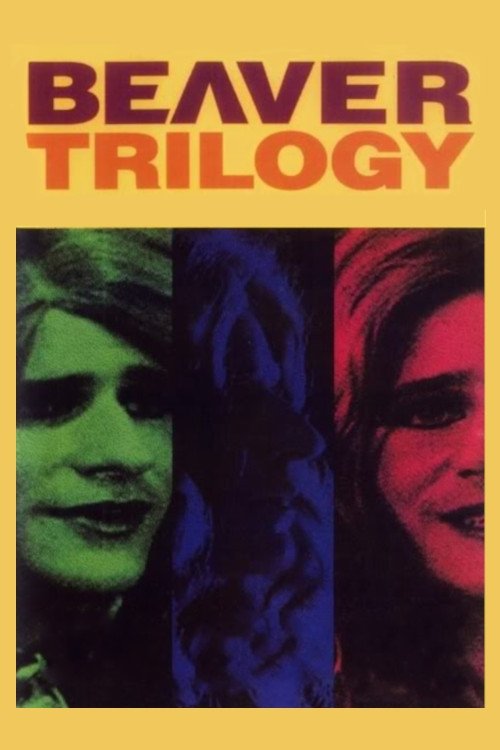
Beaver Trilogy
2000
No user ratings available yet
Representation score: 7.6 out of 10
Representation Score
Fair
2015
Not RatedDirector
Brad Besser
Runtime
85 minutes
Average Rating
No ratings yetNew Showbiz Analysis
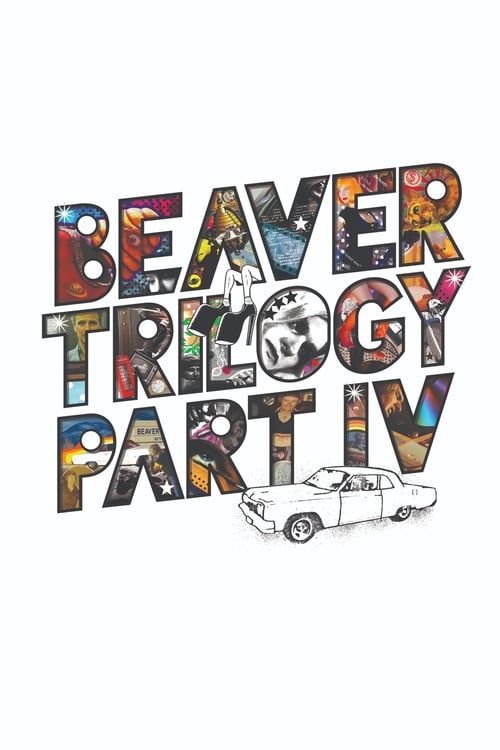
Beaver Trilogy Part IV is an observational documentary rooted in the experimental, outsider cinema tradition of Trent Harris. It prioritizes unique perspectives and the history of a niche cinematic project over mainstream norms. The film's diversity is limited by its focus on a specific community in Utah. This geographic concentration results in a relatively homogeneous demographic and a lack of visible representation for LGBTQ+ or diverse racial groups. While the film does not intentionally advocate for social change, it succeeds as a cultural disruptor. Its underground nature challenges standard cinematic consumption by centering on non-conformist, obsessive human behaviors.
Category Breakdown
The film explores a localized mythos through documentary-style storytelling. It does not include intentional LGBTQ+ character arcs or narratives that challenge the assumption that everyone is straight.
The narrative centers on geographic peculiarities and the filmmaking process. It does not make a concerted effort to challenge traditional gender roles or depict masculinity in a stereotypical way.
Focused on a specific community in Beaver, Utah, the film highlights a relatively homogeneous demographic. It does not use non-white majority casts to disrupt typical rural American depictions.
The film stands out as an underground, experimental documentary. It disrupts polished, mainstream narratives by focusing on an outsider perspective and unconventional filmmaking history.
The exploration of human obsession suggests potential portrayals of neurodivergent behaviors. However, there is no clear evidence of intentional disability advocacy or character's ability to drive the story.
Present on Screen
Limited or Absent
Official Synopsis
A chance meeting in a parking lot in 1979 between filmmaker Trent Harris and a young man from Beaver, Utah inspired the creation of an underground film that is now known as Beaver Trilogy. But the film itself is only part of the story.
2000

2003
1971

2011

2011

2018

2025

2017
No reviews yet. Be the first to share your thoughts on this movie!
Use the rating form above to leave a star rating and optional review.