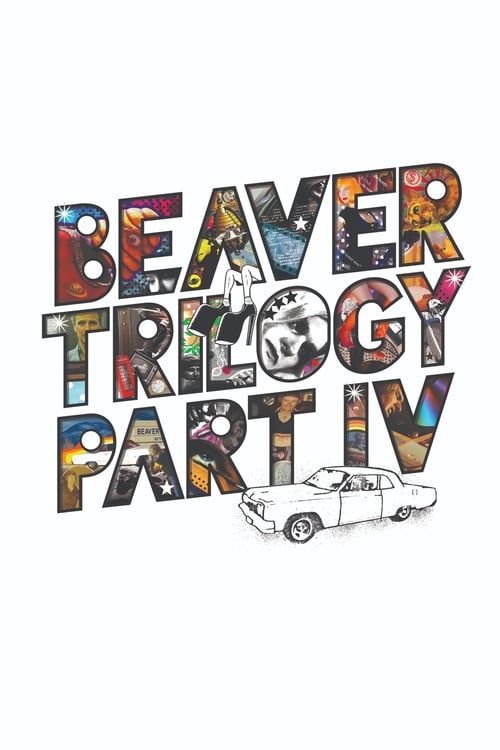
Beaver Trilogy Part IV
2015
No user ratings available yet
Representation score: 5.4 out of 10
Representation Score
Good
2000
Director
Trent Harris
Runtime
83 minutes
Average Rating
No ratings yetNew Showbiz Analysis
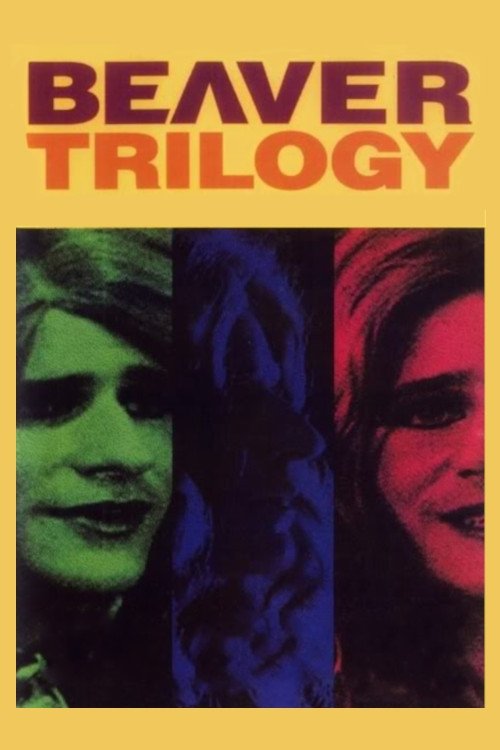
The Beaver Trilogy is a deep exploration of eccentricity and the outsider. Through its multi-part structure, it examines how non-conformity challenges the stability of small-town social norms. The film's strength lies in its empathetic portrayal of those on the periphery. However, the work is limited by its narrow geographic and demographic focus. The narrative lacks racial diversity, appearing to be set in a homogenous environment. This confines the film's scope to a specific, localized American experience. Ultimately, the film succeeds in subverting gender and cultural expectations. It replaces standard archetypes with a complex, individualistic portrait of identity that defies conventional social structures.
Category Breakdown
The film features a protagonist who performs in drag, challenging the town's traditional views on gender. This act disrupts the usual expectations about gender roles in a small-town setting.
The narrative focuses on a male character who adopts feminine aesthetics, moving away from typical masculine roles towards a more fluid expression of identity.
The film appears to be a localized study of a specific small-town American environment. There is no explicit evidence of a multi-ethnic cast, suggesting a homogenous social landscape.
The trilogy highlights the experiences of outsiders and criticizes the strict social structures found in small-town America. It emphasizes individual truth over community norms, breaking down traditional social expectations.
The protagonist is portrayed as a dreamer who operates differently from others. The film presents this social isolation with empathy and curiosity, avoiding ridicule.
Present on Screen
Limited or Absent
Official Synopsis
Our story begins in 1979, with a chance meeting in a Salt Lake City parking lot where filmmaker Trent Harris is approached by an earnest small-town dreamer from Beaver, Utah. Harris jumps at the chance when the young man invites him to come to the small town to film a talent show. At the show, the man dons a blond wig and performs in drag as Olivia Newton John. Harris captures it all on tape: A portrait of a true outsider. Harris shot a dramatic piece, "Beaver Kid 2" based on the documentary; This interpretation of the story, made in 1981 on a home video camera with a budget of $100, features a young Sean Penn as "the Beaver Kid". Still possessed, Harris then rewrote the script, cast up-and-comer Crispin Glover in the lead, and created the final segment, "The Orkly Kid", with funding from the American Film Institute. The trilogy unveils the inner world of a fantastic character in three incarnations.
2015
2017
2014
1999
1991
2000
2018
2017
No reviews yet. Be the first to share your thoughts on this movie!
Use the rating form above to leave a star rating and optional review.