
Husband Factor
2015
No user ratings available yet
Representation score: 3.2 out of 10
Representation Score
Minimal
1975
Director
Orhan Aksoy
Average Rating
No ratings yetNew Showbiz Analysis
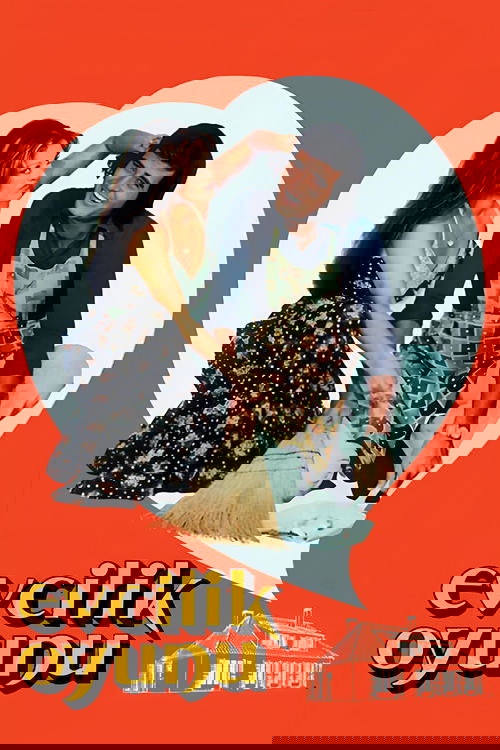
Evcilik Oyunu is a typical product of the Yeşilçam era, prioritizing mainstream romantic comedy structures over social disruption. While the female lead, Süreyya, demonstrates some calculated ability to act, the film ultimately reinforces the era's conventional social hierarchies and gendered expectations. The film offers a culturally specific perspective on the homogeneous Turkish society of the 1970s. It lacks the diverse representation found in contemporary cinema, focusing instead on traditional domestic romantic clichés. Ultimately, the story upholds traditional values regarding reputation and marriage, providing a safe, conventional viewing experience rather than a critique of established social norms.
Category Breakdown
The film does not include any LGBTQ+ characters or non-straight relationships. The story focuses solely on traditional romance between a man and a woman.
Süreyya initiates a sham marriage to protect her reputation, showing she plays a significant role in driving the story. However, the plot eventually returns to traditional romantic destiny and arranged marriages.
The cast reflects the homogeneous Turkish society of the era, avoiding overt racial stereotypes but lacking modern diverse casting.
The narrative emphasizes social standing and conventional morality in 1970s Turkey, reinforcing traditional values related to reputation and romantic bonds.
The film does not depict any physical or neurodivergent disabilities. The story does not address impairment or disability.
Present on Screen
Limited or Absent
Official Synopsis
A young woman, Süreyya, distrustful of men, enters a sham marriage with Necmi Gökmen to escape rumors and guard her heart, only to discover he was her childhood darling in a foster‐marriage arranged by their parents.
2015

1970

2023

1975

2023

2017

2011
1975
No reviews yet. Be the first to share your thoughts on this movie!
Use the rating form above to leave a star rating and optional review.