Miraklet i Viskan
2015
No user ratings available yet
Diversity score: 2.6 out of 10
2015
Director
Asier Altuna
Runtime
103 minutes
Average Rating
No ratings yetSynopsis
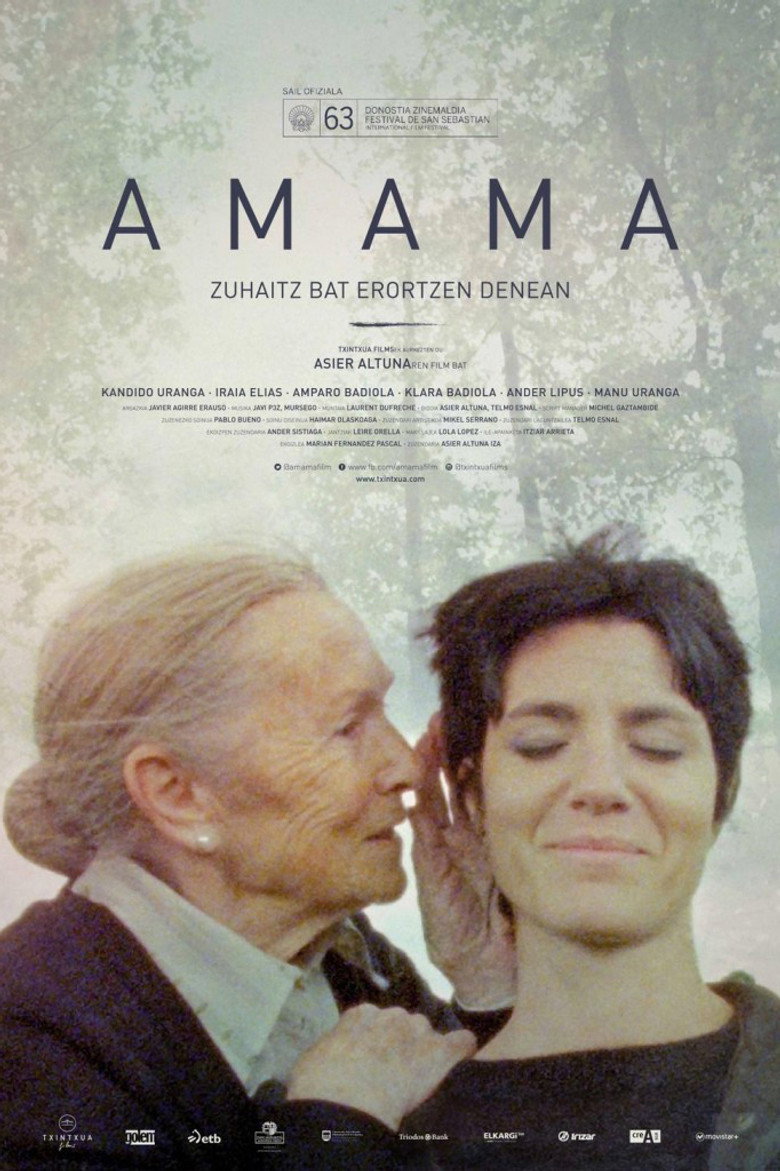
The story of a family; the story of a conflict. The rural and the urban, the past and the present, parents and their offspring: opposing ways of life struggle against one another whilst, in eloquent silence, the grandmother ('amama') watches her family’s destiny unfold.
Overall Score
Limited
Category Breakdown
LGBTQ+ Representation
The film focuses entirely on biological and ancestral ties. It lacks any presence of queer dynamics or non-cisnormative identities.
Gender Representation
The story centers on a traditional maternal figure and a male child. It utilizes archetypal roles like the nurturer without subverting gender hierarchies.
Racial & Ethnic Diversity
The casting reflects a homogeneous Caucasian and Basque rural population. The narrative is tied to a specific regional identity without intersectional casting.
Religious & Cultural Diversity
The film explores the tension between rural and urban life. It portrays the family as a stabilizing force rather than a site of systemic oppression.
Disability Representation
There are no visible or implied depictions of physical or neurodivergent disabilities within the character arcs.
Strengths
Areas for Improvement
AI Analysis
Amama is a visual study of generational friction and the transition from rural to urban life. It relies on silence and landscape to tell a story of familial destiny, prioritizing classical storytelling over social disruption. The film operates within a very traditional framework. It focuses on established social structures and regional identities, which limits its engagement with broader demographic diversity. While the film is a profound exploration of human connection, it does not actively challenge or represent marginalized identities, remaining rooted in a conventional, homogeneous setting.
2015
2017
2015

2021

2011
2019

2015
2012
2008

2013
2021
2016
No reviews yet. Be the first to share your thoughts on this movie!
Use the rating form above to leave a star rating and optional review.