
Lost in Siberia
2012
No user ratings available yet
Diversity score: 2.7 out of 10

2016
RDirector
Daniel Hoesl
Runtime
84 minutes
Average Rating
No ratings yetSynopsis
American investment fund buys Austrian companies, but also takes over politics in Vienna. Money still makes the world go round.
Overall Score
Limited
Category Breakdown
LGBTQ+ Representation
The film offers no evidence of LGBTQ+ characters or narratives addressing heteronormativity. There is a complete absence of non-cisnormative identities in the available data.
Gender Representation
The story centers on finance and politics, sectors often dominated by masculine-coded leadership. There is no explicit evidence of subverting gender hierarchies or portraying non-traditional roles.
Racial & Ethnic Diversity
An American fund operating in Austria introduces a cross-cultural dynamic. However, the film lacks confirmation of a diverse cast or intersectional depth.
Religious & Cultural Diversity
The narrative critiques the erosion of national sovereignty through capitalist expansion. This focus on institutional corruption provides a framework for systemic cultural critique.
Disability Representation
There is no information regarding the inclusion of characters with physical or neurodivergent disabilities.
Strengths
Areas for Improvement
AI Analysis
WiNWiN functions primarily as a satirical look at the intersection of global finance and geopolitical influence. The plot follows an American investment fund acquiring Austrian corporate and political assets, suggesting a critique of neoliberalism. While the film explores the mechanics of economic power and institutional corruption, it lacks visible commitment to identity-driven storytelling. The narrative architecture prioritizes systemic critique over the representation of marginalized groups. Ultimately, the film appears to be a traditional exploration of capital's influence on sovereignty rather than a work of intentional progressive representation.
2012

2013

2019

2010

2012
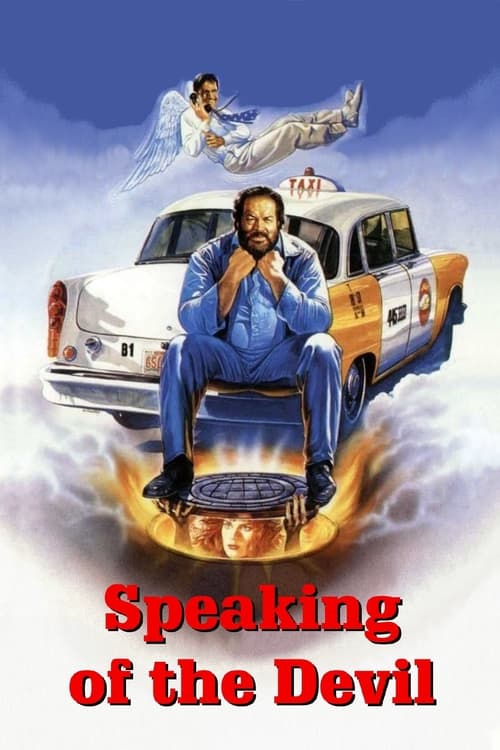
1991
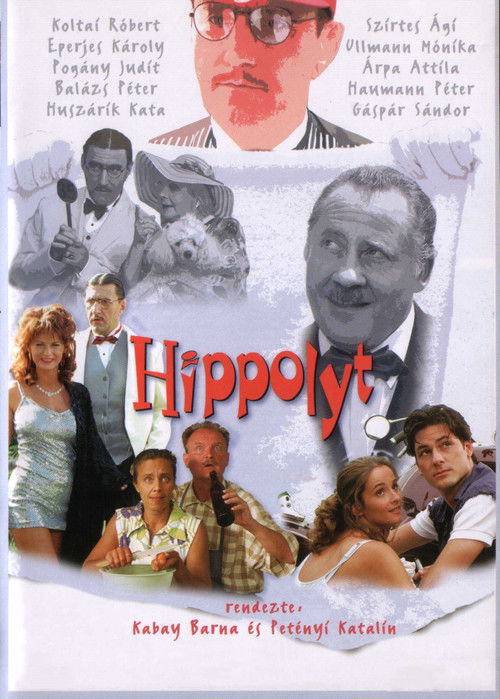
1999

2023

2015

2007

1973

2021
No reviews yet. Be the first to share your thoughts on this movie!
Use the rating form above to leave a star rating and optional review.