The Crying Woman
1979
No user ratings available yet
Diversity score: 4.6 out of 10
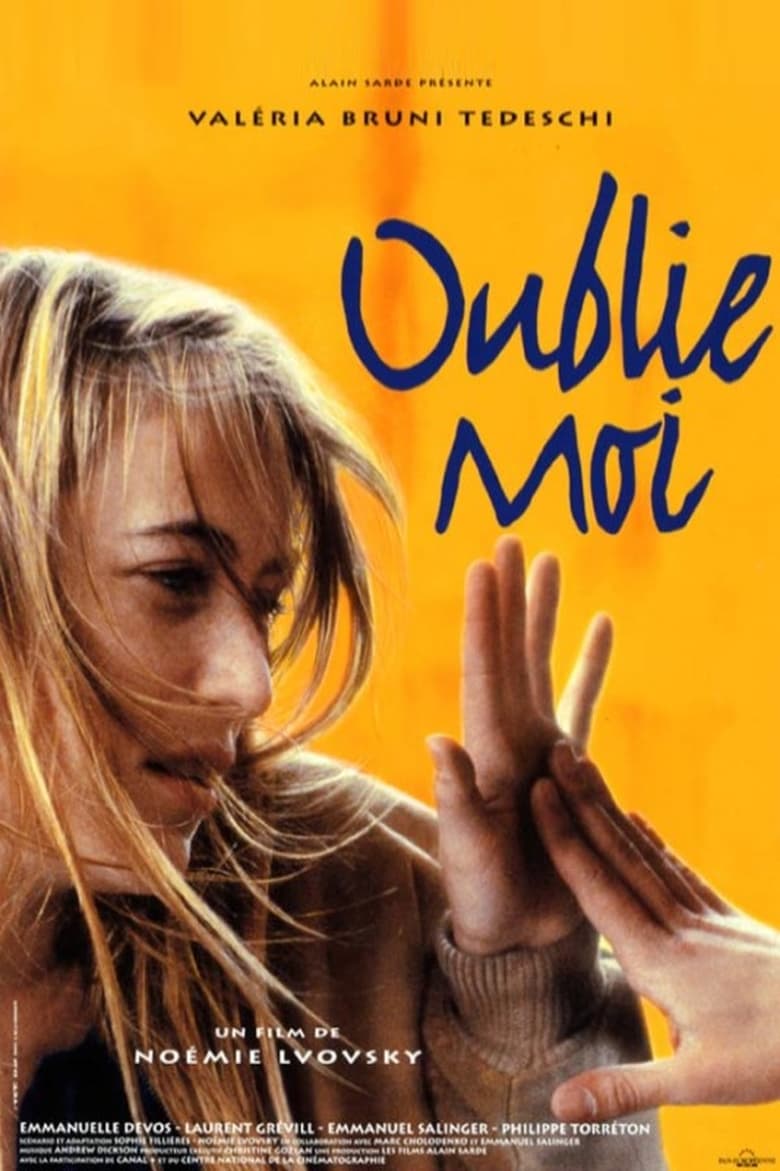
1995
Director
Noémie Lvovsky
Runtime
95 minutes
Average Rating
No ratings yetSynopsis
Nathalie is together with Antoine, who really loves her, despite her tendency to get away from him. Eric, the former partner of Nathalie, does not want to be with her anymore, but she can not accept this. In her despair, she tortures herself, Antoine, and Eric.
Overall Score
Fair
Category Breakdown
LGBTQ+ Representation
The film explores emotional fluidity and unstable bonds within a central romantic triad. While it lacks explicit non-cisnormative identities, it moves away from rigid, traditional relationship models.
Gender Representation
Nathalie serves as a powerful, volatile protagonist who drives the narrative's emotional turbulence. Her agency subverts the trope of the submissive female lead by actively influencing the men around her.
Racial & Ethnic Diversity
The story appears focused on a localized, urban social circle. There is no evidence of a multi-ethnic cast or intentional explorations of racial intersectionality.
Religious & Cultural Diversity
The narrative prioritizes individual emotional truth over social or institutional norms. It engages with themes of subjective morality through the lens of interpersonal dysfunction.
Disability Representation
The film depicts intense psychological distress and self-inflicted turmoil. However, these elements are not framed as specific depictions of neurodivergence or clinical mental health disabilities.
Strengths
Areas for Improvement
AI Analysis
Forget Me is a character-driven drama that prioritizes psychological realism over broad demographic representation. It succeeds in subverting gendered expectations by centering a female protagonist whose agency is both complex and destructive. While the film offers a nuanced look at emotional instability and the breakdown of romantic archetypes, it lacks overt markers of intersectional identity. The narrative remains focused on a localized social circle, offering little in the way of racial or LGBTQ+ visibility. Ultimately, the film's strength lies in its disruption of traditional relationship hierarchies rather than its commitment to diverse identity politics.
1979

2017

2003

1999

2007

2008
2003
1985

2012
2000

1989

2010
No reviews yet. Be the first to share your thoughts on this movie!
Use the rating form above to leave a star rating and optional review.