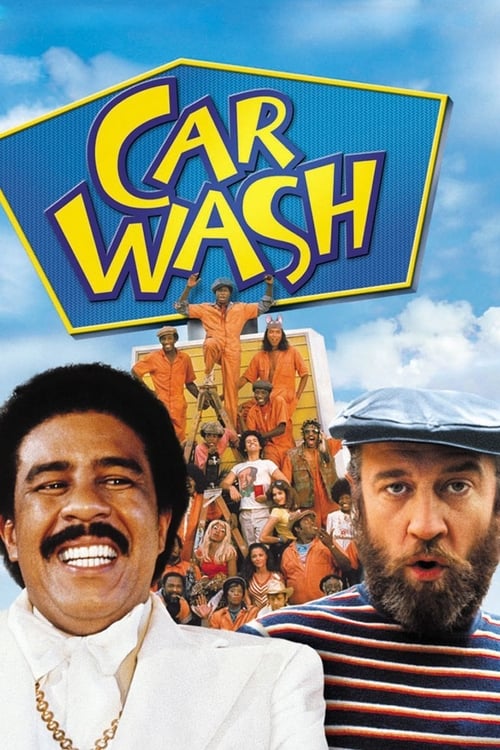
Car Wash
1976
No user ratings available yet
Representation score: 7.9 out of 10
Representation Score
Good
1975
PGDirector
Michael Schultz
Runtime
107 minutes
Average Rating
No ratings yetNew Showbiz Analysis
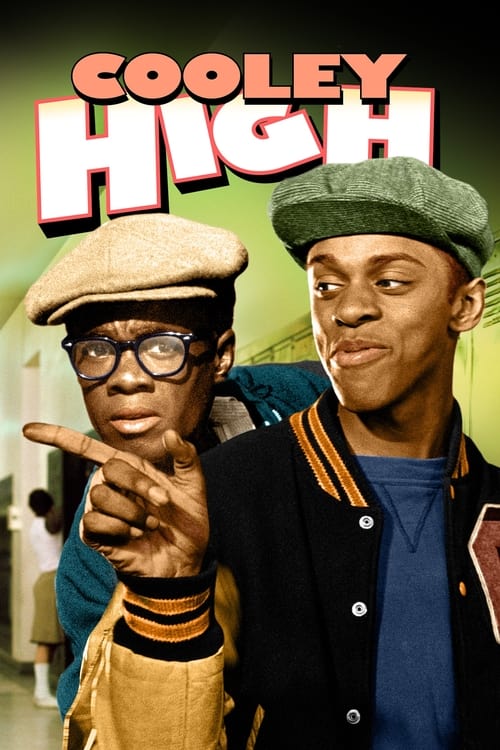
Cooley High stands as a vital piece of independent cinema that challenges the typical Hollywood perspective. By focusing on a predominantly Black cast, it offers an authentic look at the lives of Black adolescents in the 1960s. The film excels in its authentic portrayal and critique of systemic inequality. It goes beyond typical coming-of-age stories to explore how institutional power affects individuals. While it lacks representation for LGBTQ+ identities and disabilities, its cultural and racial authenticity provides a strong counter-narrative to the standard industry models of its time.
Category Breakdown
The film focuses on heterosexual relationships and social hierarchies. There are no significant LGBTQ+ characters or non-straight identities in the main storyline.
Female characters are portrayed with distinct personalities and play important roles in the story. The film avoids stereotypes and highlights women's contributions to the community.
The film features a nearly all-Black cast, using specific cultural markers of Detroit's Black community to critique institutional power structures.
The narrative critiques Western institutions and the justice system, showing how socioeconomic pressures affect underrepresented urban communities.
The film does not prominently feature characters with visible or invisible disabilities. Struggles are framed through socioeconomic and racial issues rather than physical or cognitive challenges.
Present on Screen
Limited or Absent
Official Synopsis
In the mid-1960s, a group of high school friends who live on the Near North Side of Chicago enjoy life to the fullest...parties, hanging out, meeting new friends. Then life changes for two of the guys when they are falsely arrested in connection with stealing a Cadillac. We follow their lives through to the dramatic end of high school.
1976
1999
1985

1979
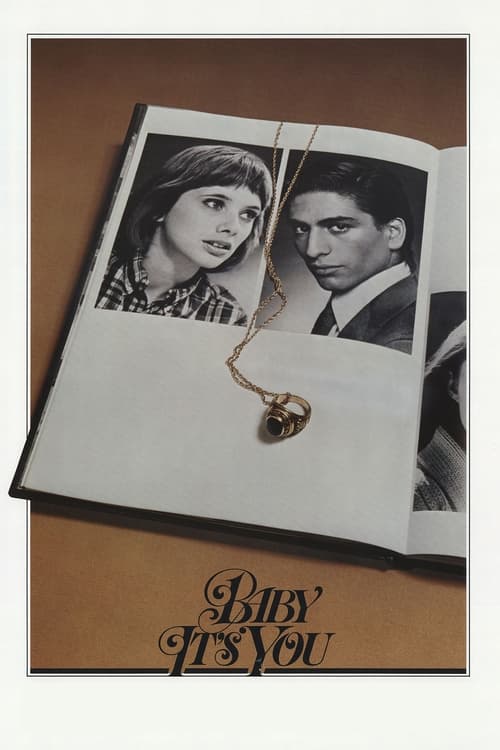
1983
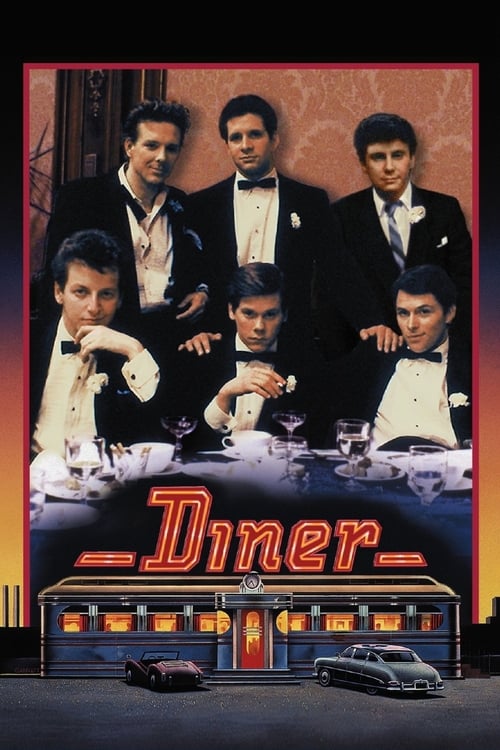
1982
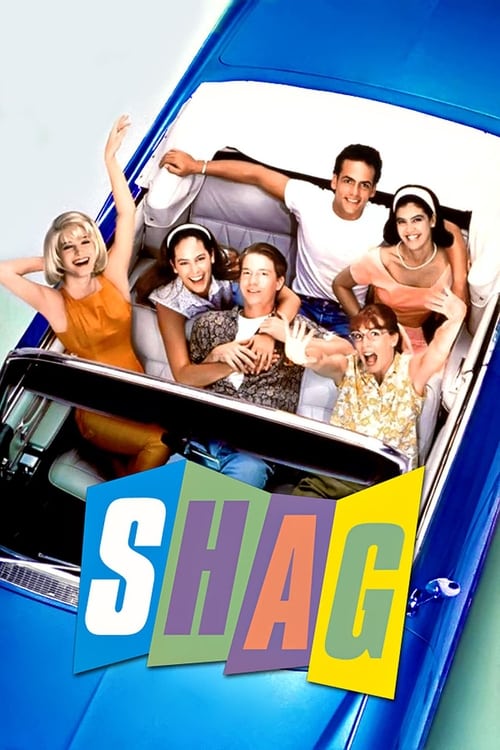
1989
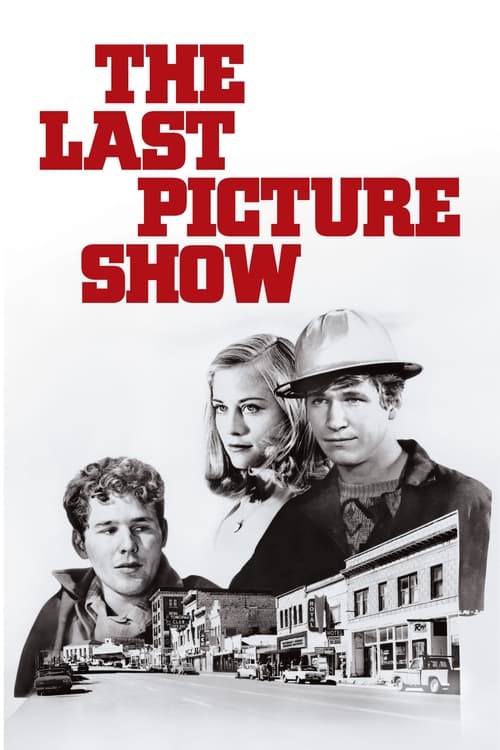
1971
No reviews yet. Be the first to share your thoughts on this movie!
Use the rating form above to leave a star rating and optional review.