From the Highway
1970
No user ratings available yet
Diversity score: 3.4 out of 10
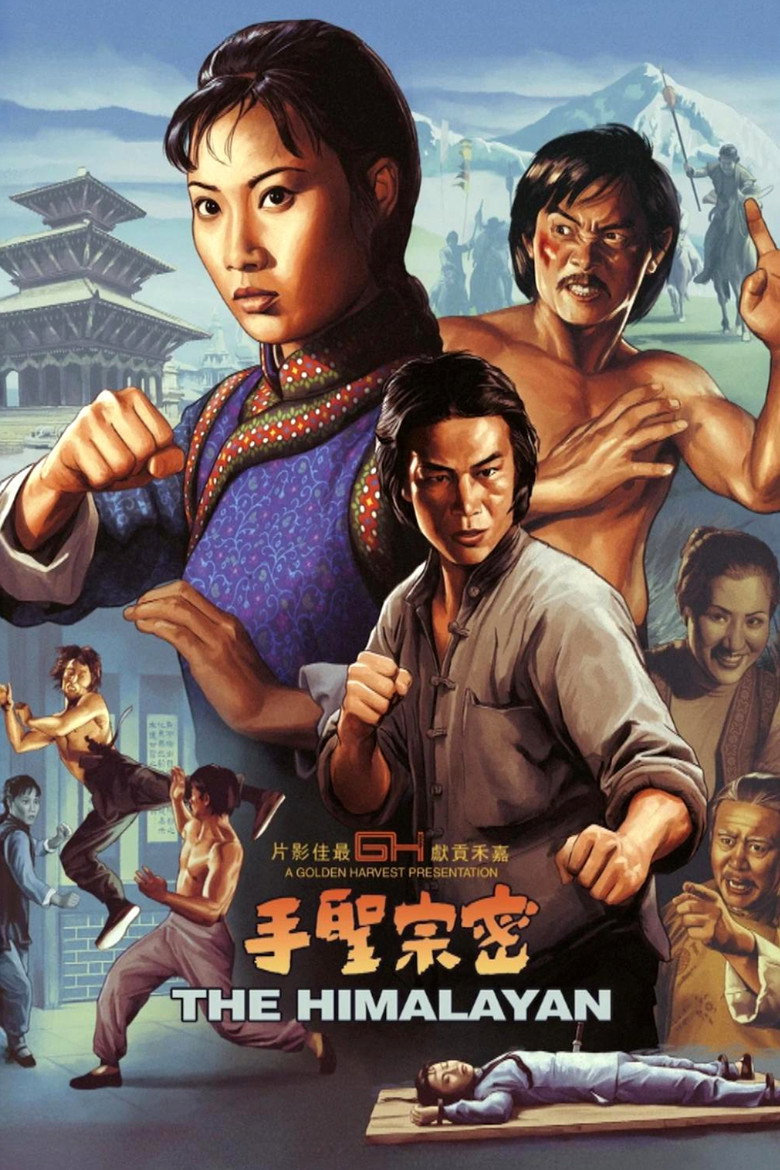
1976
Director
Huang Feng
Runtime
112 minutes
Average Rating
No ratings yetSynopsis
The Tseng family is one of the most noble and respected clans in a small village in Tibet. The patriarch of the Tseng family wants to marry off his daughter Ching Lan into the Kao clan. However, the cunning and deceitful eldest brother Kao Chu only wants his younger sibling Kao I-Fan to marry Lan so he can gain access to the Tseng family's considerable wealth and power.
Overall Score
Fair
Category Breakdown
LGBTQ+ Representation
The film lacks evidence of queer narratives or non-cisnormative identities. It focuses instead on traditional kinship and heteronormative marriage alliances.
Gender Representation
Female characters like Ching Lan are defined by their marriageability and patriarchal lineage. Their agency remains tethered to familial duty and clan honor.
Racial & Ethnic Diversity
The setting provides a culturally specific Tibetan landscape. This avoids a Western-centric lens by centering non-Anglo-Saxon social structures and ethnic clans.
Religious & Cultural Diversity
The plot emphasizes traditional clan hierarchies and the preservation of family wealth. It reinforces conservative social structures rather than challenging them.
Disability Representation
There is no discernible mention of characters with visible or invisible disabilities within the narrative.
Strengths
Areas for Improvement
AI Analysis
The Himalayan is a traditional martial arts drama that prioritizes genre tropes over social deconstruction. While it succeeds in providing a non-Western cultural setting, it remains rooted in the conservative social hierarchies of its era. The film's strength lies in its cultural specificity, centering a Tibetan environment and localized clan dynamics. This provides a departure from the white-normative perspectives common in 1970s Western cinema. However, the narrative relies heavily on conventional gender roles and patriarchal structures. The female protagonist's role is largely defined by her utility in marriage alliances and the preservation of family status.
1970
1974
1983
1974
1970
1988
1980
1971

1973
1979
1977

2007
No reviews yet. Be the first to share your thoughts on this movie!
Use the rating form above to leave a star rating and optional review.