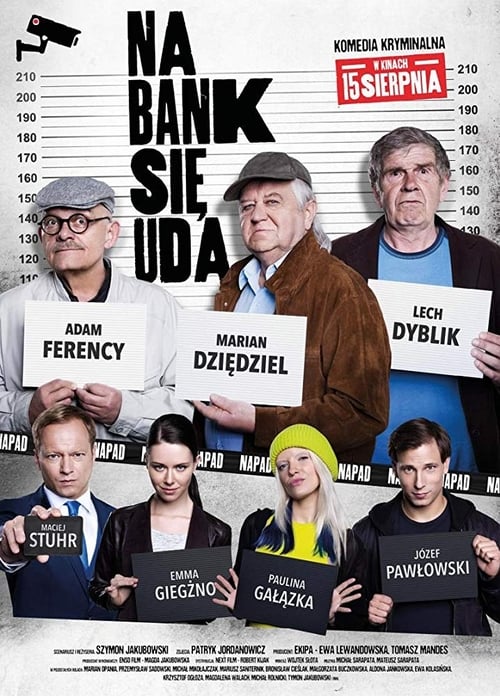
It's in the Bank
2019
No user ratings available yet
Diversity score: 3.4 out of 10
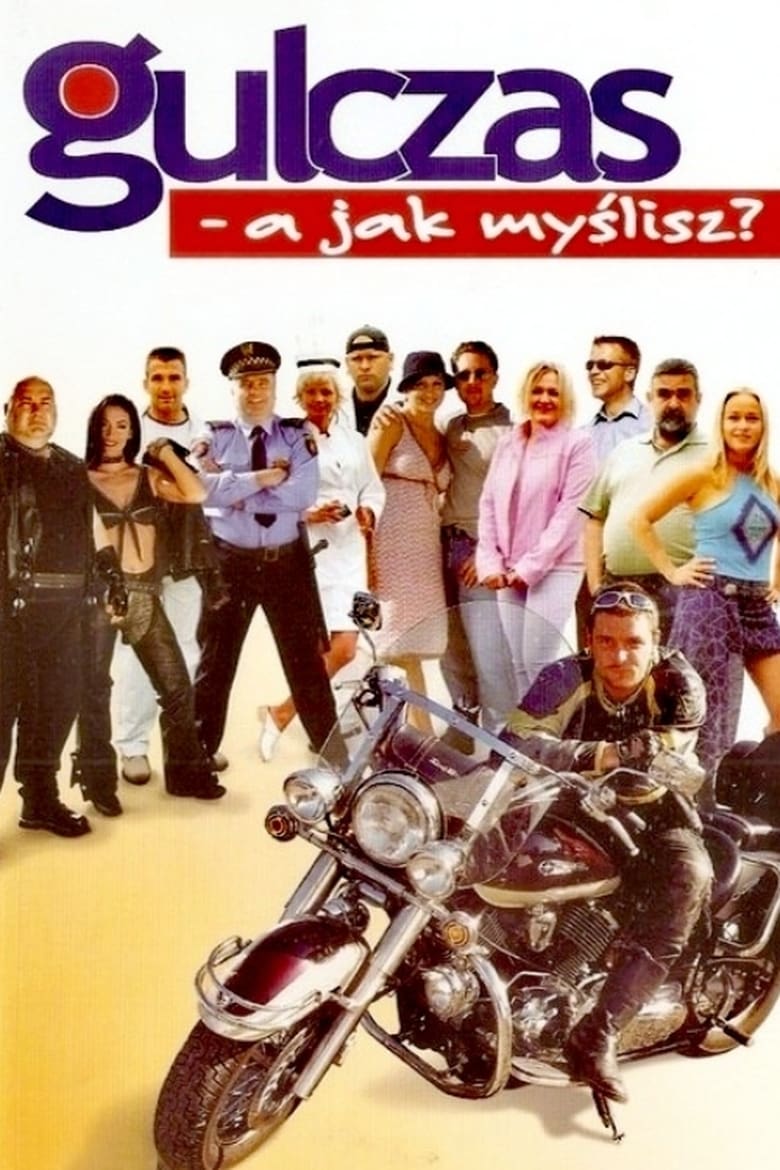
2001
Director
Jerzy Gruza
Runtime
100 minutes
Average Rating
No ratings yetSynopsis
A feature film starring mostly the participants of the first edition of Polish "Big Brother" reality show in 2001.
Overall Score
Limited
Category Breakdown
LGBTQ+ Representation
The film lacks intentional queer narrative architecture. It relies on the existing public personas of reality TV participants without documented non-cisnormative identities.
Gender Representation
Gender dynamics appear to mirror the social hierarchies of the early 2000s. There is no evidence of women subverting traditional masculine leadership roles.
Racial & Ethnic Diversity
The cast is demographically homogeneous, reflecting the specific ethnic landscape of Poland in 2001. No non-white majority casting is present.
Religious & Cultural Diversity
The film acts as a cultural artifact of the reality-TV era. It lacks a sustained narrative designed to critique Western morality or institutions.
Disability Representation
There is no evidence regarding the inclusion of characters with visible or invisible disabilities within this production.
Strengths
Areas for Improvement
AI Analysis
Gulczas, what do you think? functions as a meta-cinematic crime-comedy that utilizes the real-world identities of the first Polish Big Brother participants. Because the cast consists of reality TV personalities, the film's social dynamics are largely dictated by the existing personas of the era rather than scripted subversion. The production lacks systemic intentionality regarding intersectional representation. It operates within the conventional social frameworks of the early 2000s, serving more as a cultural time capsule than a tool for social deconstruction. Ultimately, the film's demographic homogeneity and reliance on established media hierarchies result in a low diversity score.
2019
1987
1999
1991

2014

2015
1991

2017
2023

2016

1971
2019
No reviews yet. Be the first to share your thoughts on this movie!
Use the rating form above to leave a star rating and optional review.