
The Devil and Ms. D
1999
No user ratings available yet
Representation score: 4.1 out of 10
Representation Score
Fair
2019
Director
Peter Thorwarth
Runtime
100 minutes
Average Rating
No ratings yetNew Showbiz Analysis
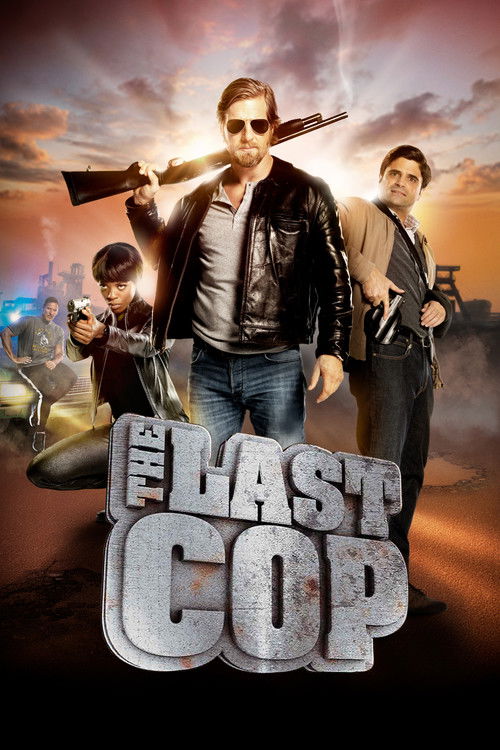
Der letzte Bulle is a conventional genre piece that leans heavily on established cinematic clichés. While it makes a progressive step in its casting, the narrative structure remains largely traditional and uncritical of social hierarchies. The film's primary strength lies in its disruption of the typically homogeneous European police procedural through its lead actor. However, this is offset by a reliance on masculine archetypes and a lack of meaningful representation for LGBTQ+ or neurodivergent characters. Ultimately, the film prioritizes genre expectations and the 'fish out of water' cliché over a deep exploration of identity or institutional power.
Category Breakdown
The film follows traditional structures that assume everyone is straight or cisgender. It doesn't explore any stories or identities that question standard gender norms.
The story focuses on a male-dominated police framework and relies heavily on traditional masculine stereotypes. It emphasizes established clichés of male authority and competence rather than challenging gender hierarchies.
Casting Elyas M'Barek, an actor of Lebanese descent, as the lead officer introduces ethnic diversity into a position of systemic authority, providing a meaningful disruption of homogeneous casting.
The narrative operates within a standard Western procedural framework focused on institutional stability. It lacks significant anti-Western sentiment, focusing instead on the protagonist's struggle with a changing social landscape.
The protagonist's 25-year coma serves as a narrative device for a 'fish out of water' cliché. It functions as a plot device rather than a nuanced exploration of disability or character's ability to drive the story.
Present on Screen
Limited or Absent
Official Synopsis
25 years of coma lie behind the hard-hitting policeman Mick Brisgau, as he awakens in a world unknown to him.
1999
2013
2016

2001
2021

1994
2002
1999
No reviews yet. Be the first to share your thoughts on this movie!
Use the rating form above to leave a star rating and optional review.