The Devil and Ms. D
1999
No user ratings available yet
Diversity score: 4.7 out of 10
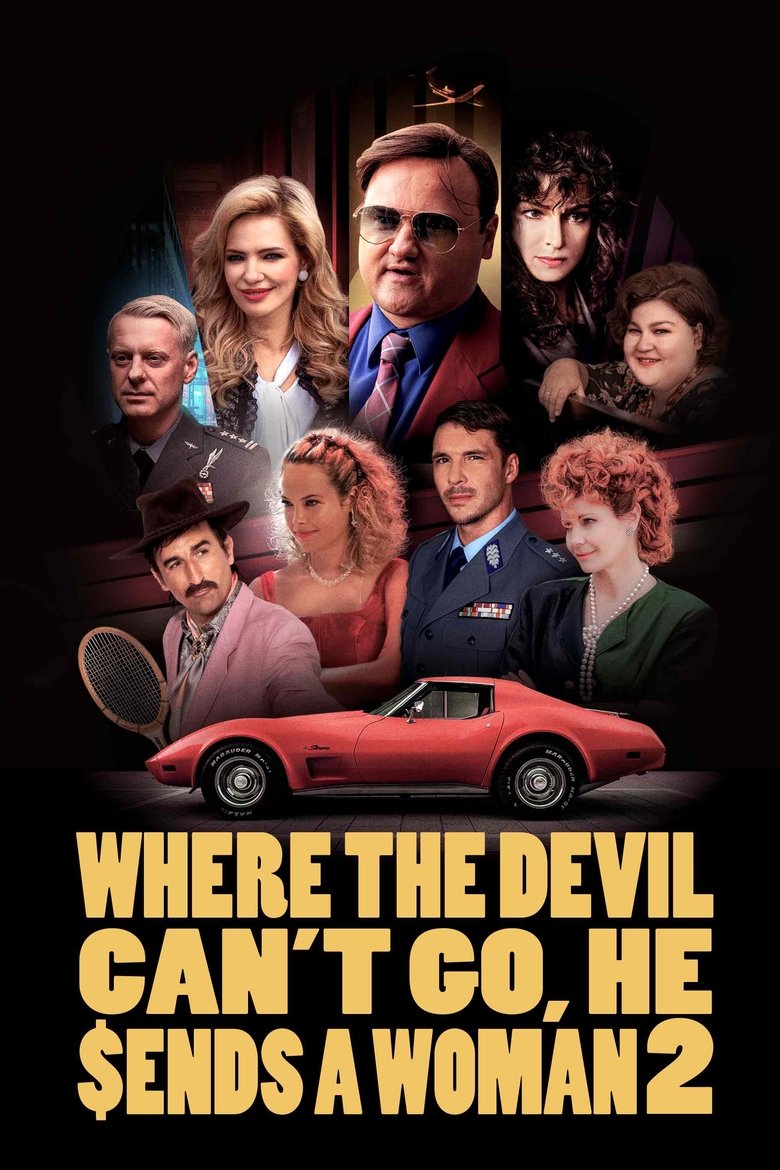
2023
Director
Heathcliff Janusz Iwanowski
Average Rating
No ratings yetSynopsis
The true story of Polish fortunes and the story of the heroes from the first part has its colorful continuation. Can business friends continue to trust each other when even more money is at stake? How were state-owned companies privatized, garnering millions into private pockets? Who was pulling the strings in free Poland? Even more mysteries. Human weaknesses.
Overall Score
Fair
Category Breakdown
LGBTQ+ Representation
The film lacks explicit evidence of LGBTQ+ characters or non-heteronormative identities. The narrative focus remains centered on business intrigue and traditional interpersonal conflicts.
Gender Representation
The title suggests a narrative architecture that centers female agency and intellect. It appears to challenge traditional masculine leadership within high-stakes environments.
Racial & Ethnic Diversity
The setting and historical context suggest a relatively homogeneous Central European demographic. There is no evidence of a multicultural ensemble or race-bent casting.
Religious & Cultural Diversity
The film offers a strong institutional critique of post-communist Poland. It deconstructs the sanctity of economic institutions by focusing on systemic corruption and moral relativism.
Disability Representation
There is no mention of characters navigating physical, sensory, or neurodivergent experiences within the narrative.
Strengths
Areas for Improvement
AI Analysis
The film serves primarily as a socio-political critique of the privatization era in Poland. It prioritizes the exploration of systemic corruption and the complexities of power over intersectional identity markers. While the film lacks significant representation regarding race or LGBTQ+ identities, it excels in cultural representation. It challenges the perceived integrity of Western economic models and traditional institutional authority. Ultimately, the narrative focuses on human weaknesses and the moral ambiguity of wealth accumulation during Poland's transition to a market economy.
1999

2004
1986

2017
2019
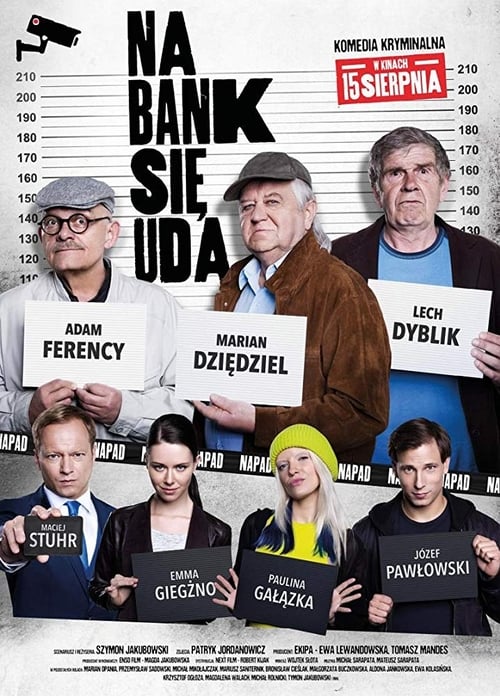
2019

2014
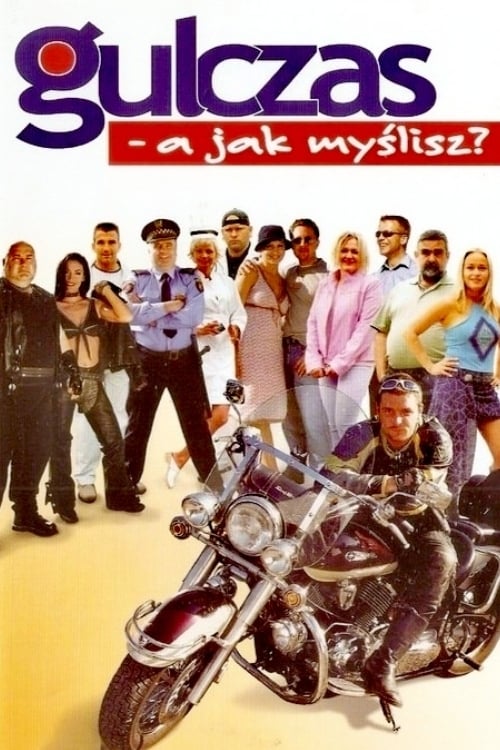
2001
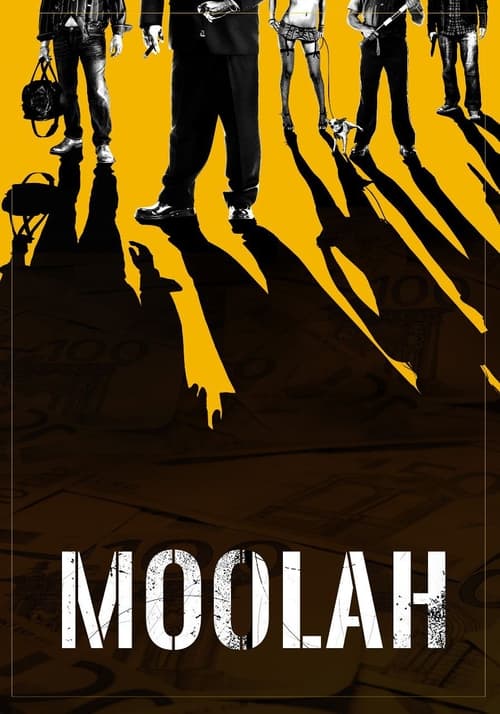
2011
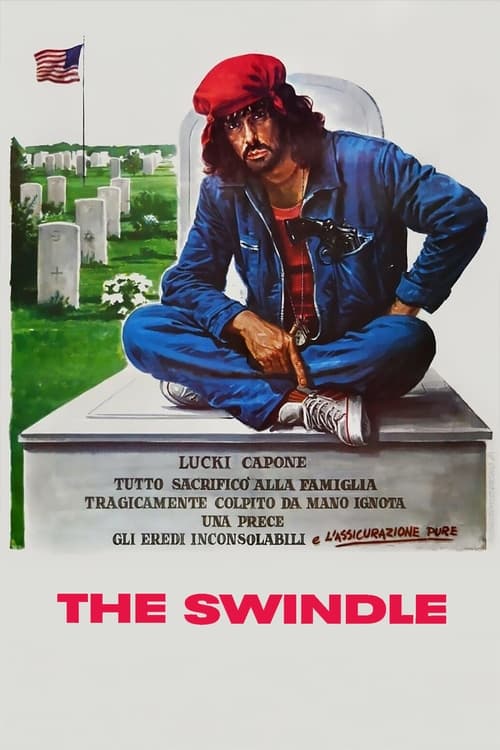
1977

1991
2015
No reviews yet. Be the first to share your thoughts on this movie!
Use the rating form above to leave a star rating and optional review.