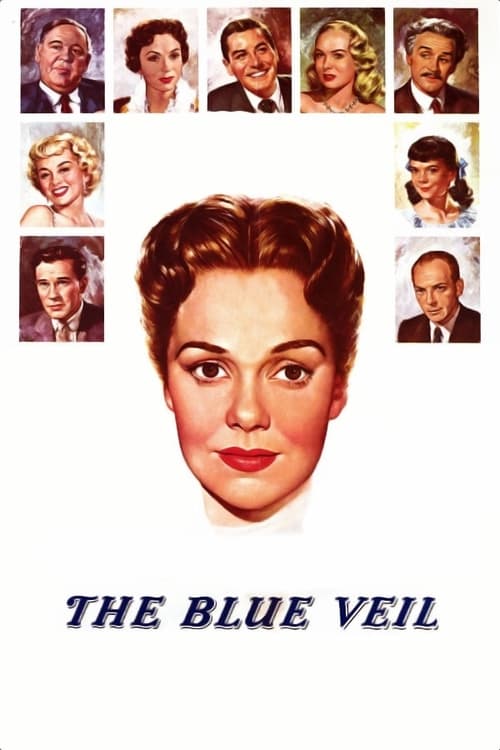
The Blue Veil
1951
No user ratings available yet
Representation score: 1.6 out of 10

Representation Score
Limited
1942
Director
Jean Stelli
Runtime
112 minutes
Average Rating
No ratings yetNew Showbiz Analysis
The Blue Veil is a period drama that stands out by subverting gendered expectations. By focusing on a woman who chooses a professional purpose over domestic remarriage, the film offers a rare glimpse of female autonomy for its time. However, the film is limited by its homogeneous demographic. It lacks racial, ethnic, or LGBTQ+ diversity, sticking closely to the social norms of early 20th-century France. Ultimately, while the protagonist's journey provides emotional depth and ability to act, the film lacks the multi-layered complexity needed for a higher diversity score.
Category Breakdown
The film does not include any LGBTQ+ characters or stories that question the assumption that everyone is straight or cisgender. It focuses on traditional romantic relationships and the fulfillment of motherhood in early 20th-century society.
Louise shows a significant role in driving the story by rejecting remarriage and domestic life in favor of her nursing career and caring for children. She prioritizes her professional goals over traditional marriage and male suitors.
The story reflects the homogeneous society of 1914 France. There are no multi-ethnic characters or non-white individuals in this Western European setting.
The narrative highlights traditional Western values such as duty, sacrifice, and maternal virtue. It focuses on resilience within established social roles without challenging broader societal issues.
There is no information available about the depiction of physical or mental disabilities in this film.
Present on Screen
Limited or Absent
Official Synopsis
In 1914, in the first months of World War I, Louise Jarraud loses her husband, killed on the front. Shortly after, she gives birth to a baby, who soon dies. Devastated by this double misfortune, Louise decides to dedicate her life to caring for the children of others. She becomes a nurse with several employers, giving her affection to little boys or girls. A widower and another man propose to her but she refuses twice determined as she is to live only for the children in her charge.
1951

1952

1946

1929

1949

1989
1933
1934
No reviews yet. Be the first to share your thoughts on this movie!
Use the rating form above to leave a star rating and optional review.