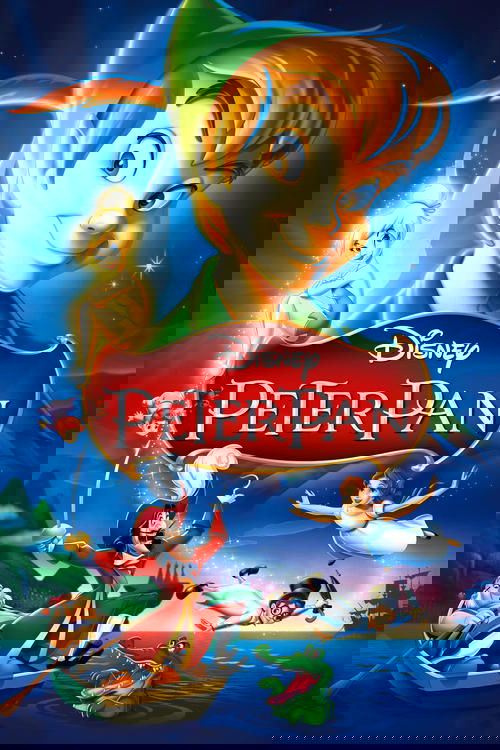
Peter Pan
1953
No user ratings available yet
Representation score: 1.6 out of 10

Representation Score
Minimal
2002
GDirector
Robin Budd
Runtime
72 minutes
Average Rating
No ratings yetNew Showbiz Analysis
Return to Never Land functions as a conservative preservation of traditional archetypes. The film prioritizes a nostalgic, homogeneous worldview that reinforces established social hierarchies rather than disrupting them. The narrative structure relies on a Western moral framework and male-driven conflict. This approach limits the scope of the story to conventional social roles and traditional heroism. Ultimately, the production lacks breadth in reflecting diverse identities and progressive social frameworks, maintaining a strictly traditionalist perspective.
Category Breakdown
The film strictly follows the assumption that everyone is straight or cisgender. There are no non-assuming gender matches what was assigned at birth gender identities or same-sex relationships.
The story centers on male-driven competition between Peter Pan and Captain Hook. Female characters mainly provide emotional support within a traditional gender hierarchy.
The cast is highly homogeneous, featuring primarily characters of Western European descent. The setting reflects an Anglo-centric worldview without diverse ethnic identities.
The story operates within a standard Western moral framework and binary good-versus-evil structure. It celebrates traditional values and the preservation of childhood wonder.
Captain Hook’s physical impairment serves as a narrative device for his vendetta rather than a nuanced exploration of disability. The portrayal lacks real character development.
Present on Screen
Limited or Absent
Official Synopsis
In 1940, the world is besieged by World War II. Wendy, all grown up, has two children; including Jane, who does not believe Wendy's stories about Peter Pan.
1953
1971

2008

1997

2003

2010

2009

2006
No reviews yet. Be the first to share your thoughts on this movie!
Use the rating form above to leave a star rating and optional review.