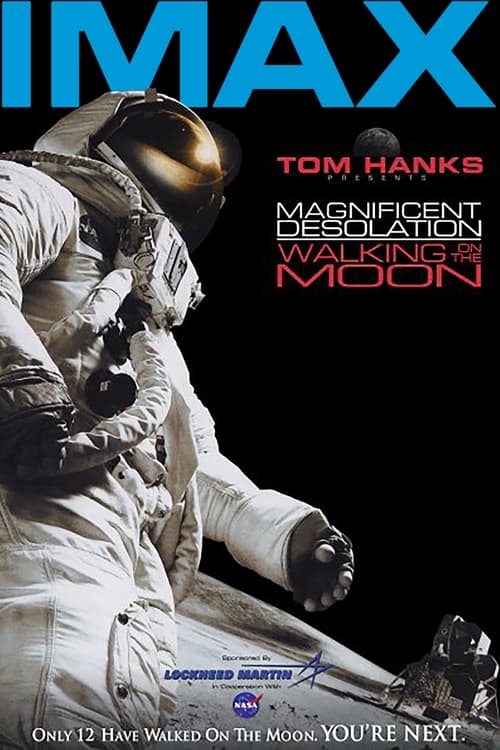
Magnificent Desolation: Walking on the Moon
2005
No user ratings available yet
Representation score: 1.4 out of 10

Representation Score
Minimal
2018
Director
Paul Hildebrandt
Runtime
122 minutes
Average Rating
No ratings yetNew Showbiz Analysis
First to the Moon is a historical retrospective that prioritizes archival authenticity over modern social representation. Utilizing restored footage and testimonies from Frank Borman, Jim Lovell, and Bill Anders, the film remains strictly bound to the socio-historical realities of 1968. The documentary functions as a chronological record of a specific, homogeneous event. Since it aims to preserve the technical and human achievements of the Apollo 8 mission, it inherently reflects the demographic constraints of the era's space program. Ultimately, the film does not attempt to deconstruct historical norms or implement multi-layered frameworks. It serves as a celebration of a specific milestone in human history through a traditional, Western lens.
Category Breakdown
The documentary focuses solely on the Apollo 8 mission and does not include any LGBTQ+ characters or narratives related to non-cisgender identities.
The film centers exclusively on the male astronauts of the Apollo 8 crew, reflecting the historical reality of a mid-century aerospace industry that lacked female participation.
The subjects and historical context are homogeneous. The film documents a specific era of Western technological history where the astronaut corps did not include racial diversity.
The narrative celebrates Western technological triumph and national achievement. It reinforces traditional institutional narratives of progress without offering a critique of Western perspectives.
There is no focus on disability or neurodivergence. The archival storytelling and astronaut character arcs do not address physical impairments.
Present on Screen
Limited or Absent
Official Synopsis
When the world was in turmoil, three men went faster and farther than anyone thought possible. This is the story of the first people to leave the Earth and travel to the Moon — this is Apollo 8. Through restored archival films and audio, Apollo 8 astronauts Frank Borman, Jim Lovell, and Bill Anders tell you in their own words how their three different stories got them into the same tiny capsule pointed at the Moon — and what happened next.
2005

2007

2019
1989
2015
2022
2011
2019
No reviews yet. Be the first to share your thoughts on this movie!
Use the rating form above to leave a star rating and optional review.