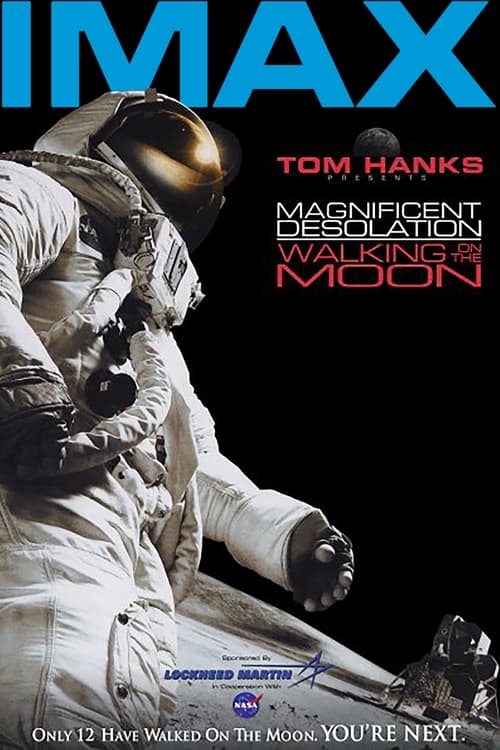
Magnificent Desolation: Walking on the Moon
2005
No user ratings available yet
Representation score: 1.4 out of 10

Representation Score
Limited
2019
TV-PGDirector
John Moulson
Runtime
60 minutes
Average Rating
No ratings yetNew Showbiz Analysis
The documentary serves as a traditional historical record of the Apollo 11 mission. It prioritizes archival preservation and the spectacle of a mid-century Western milestone over contemporary social critique. Because the film captures a specific moment in 1969, the representation reflects the era's social constraints. The narrative structure centers on the institutional power dynamics of the time, which were predominantly white and male. Ultimately, the film functions as a window into a significant historical moment rather than a tool for exploring multi-layered identities or challenging traditional hierarchies.
Category Breakdown
The film focuses on the historical reality of the 1969 Apollo 11 mission. There is no evidence of LGBTQ+ characters or narratives within the documented era.
ability to act is concentrated among male figures in Mission Control and the spacecraft. While the film includes astronaut families, it reflects the masculine-led aerospace dynamics of the late 1960s.
The primary subjects, including astronauts and NASA officials, reflect the demographic homogeneity of the 1960s space program. The narrative lacks focus on non-Anglo-Saxon ability to act.
The documentary celebrates a major Western technological achievement and national pride. It aligns with traditional values of progress through institutional excellence.
There is no mention of individuals with visible or invisible disabilities being featured as central figures or driving the narrative.
Present on Screen
Limited or Absent
Official Synopsis
On July 16, 1969, hundreds of thousands of spectators and an army of reporters gathered at Cape Kennedy to witness one of the great spectacles of the century: the launch of Apollo 11. Over the next few days, the world watched on with wonder and rapture as humankind prepared for its "one giant leap" onto the moon--and into history. Witness this incredible day, presented through stunning, remastered footage and interviews that takes you behind-the-scenes and inside the spacecraft, Mission Control, and the homes of the astronaut's families.
2005

2007

2018

1989
2023

2013
2015
2022
No reviews yet. Be the first to share your thoughts on this movie!
Use the rating form above to leave a star rating and optional review.