
Normal Autistic Film
2016
No user ratings available yet
Diversity score: 7.4 out of 10
2012
Not RatedDirector
Bud Clayman, Glenn Holsten, Scott Johnston
Runtime
100 minutes
Average Rating
No ratings yetSynopsis
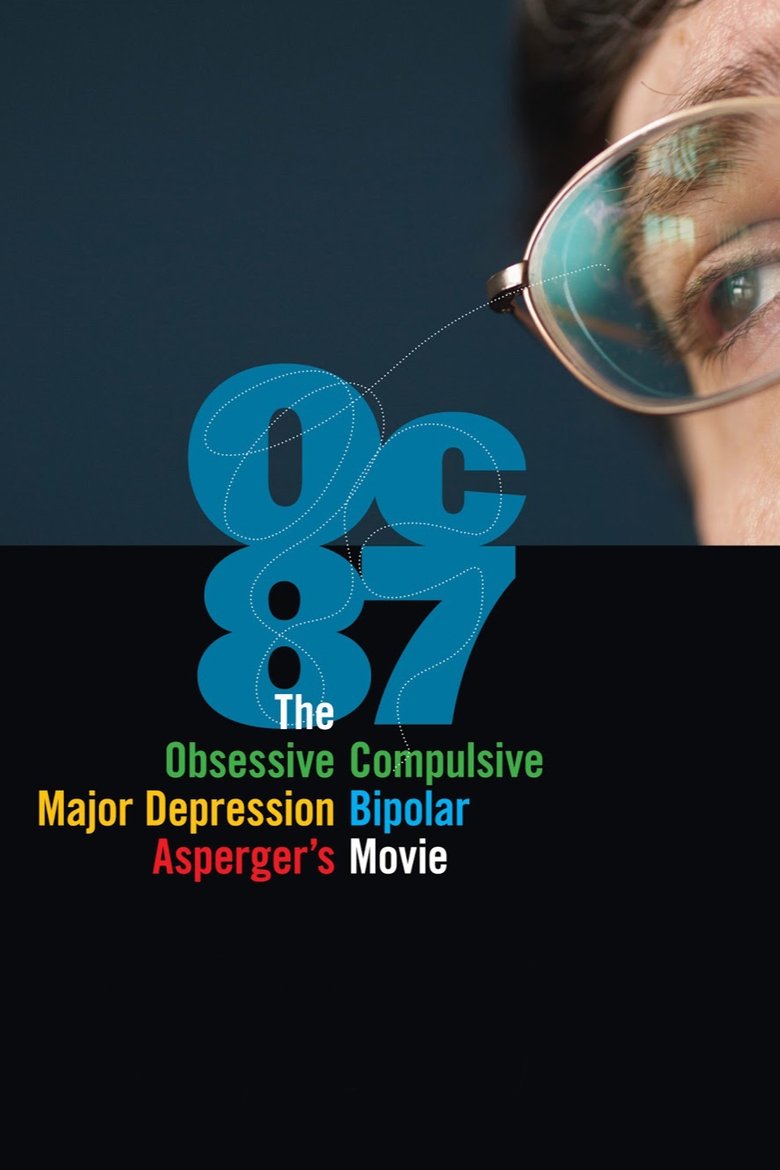
Director Bud Clayman documents his struggle with OCD and Asperger's Syndrome and how it derailed his plan to become a filmmaker.
Overall Score
Fair
Category Breakdown
LGBTQ+ Representation
The film contains no evidence of LGBTQ+ characters or themes. The narrative focus remains exclusively on neurodevelopmental and psychological conditions.
Gender Representation
The film centers on a male perspective regarding mental health. It avoids traditional tropes of stoicism by presenting a protagonist navigating profound internal instability.
Racial & Ethnic Diversity
There is no information regarding the racial or ethnic composition of the cast or crew. Consequently, no specific diversity in this category is documented.
Religious & Cultural Diversity
The work disrupts capitalist expectations of linear progress by documenting a derailed career. It prioritizes subjective, internal truths over standard societal milestones.
Disability Representation
Neurodivergence and mental health serve as the film's central pillars. The director uses his own struggles to reclaim the narrative of disability with high agency.
Strengths
Areas for Improvement
AI Analysis
OC87 is a deeply personal documentary that prioritizes the lived experience of neurodivergence. It succeeds by moving mental health conditions from the periphery to the center of the narrative lens. While the film excels in disability representation, its overall score is limited by a lack of visible diversity in racial and LGBTQ+ categories. The focus is singular and intensely autobiographical. Ultimately, the film provides a rare, unmediated look at cognitive landscapes, challenging mainstream cinematic structures and traditional notions of professional success.
2016
2011
2017
2020
2018

2009

2020
2017
2008
2007
2016

2018
No reviews yet. Be the first to share your thoughts on this movie!
Use the rating form above to leave a star rating and optional review.