
Varnapakittu
1997
No user ratings available yet
Diversity score: 3.8 out of 10
2006
Director
K. S. Adiyaman
Runtime
152 minutes
Average Rating
No ratings yetSynopsis
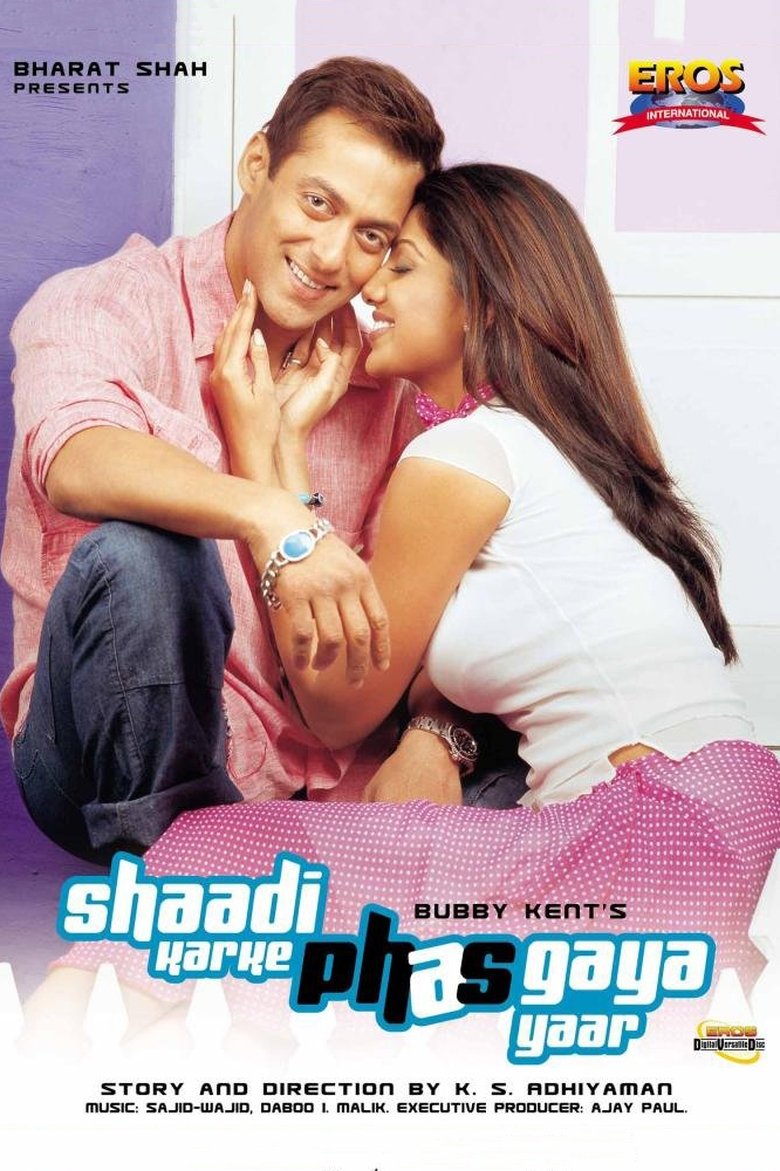
Ayaan tricks a model into marrying him, when she leaves her diary in his family's garage, allowing him to follow her around.
Overall Score
Limited
Category Breakdown
LGBTQ+ Representation
The film focuses on a heterosexual romantic entanglement between a male protagonist and a female model. It lacks any evidence of non-cisnormative identities or LGBTQ+ characters.
Gender Representation
The plot relies on a male-centric perspective where the protagonist uses deception to follow a woman. This dynamic reinforces traditional power imbalances rather than subverting gendered pursuit tropes.
Racial & Ethnic Diversity
The production reflects the ethnic demographics of its regional Indian context. Without specific casting data, the film appears to present a culturally homogeneous cast for its domestic market.
Religious & Cultural Diversity
The narrative centers on marriage and domestic complications, emphasizing traditional social institutions. It lacks themes of secularism or critiques of established family structures.
Disability Representation
There is no mention of characters with visible or invisible disabilities. The synopsis provides no information regarding neurodivergence or physical impairments.
Strengths
Areas for Improvement
AI Analysis
Shaadi Karke Phas Gaya Yaar operates within the conventional genre tropes of mid-2000s regional Indian cinema. The story prioritizes traditional romantic and social structures, focusing on a male protagonist's deceptive pursuit of a female character. The film lacks intersectional depth, adhering to heteronormative frameworks and traditional domestic themes. It does not appear to engage in the systemic deconstruction of social hierarchies or offer progressive narrative subversions. Ultimately, the work functions as a mainstream piece that reinforces established social values and gendered power dynamics rather than challenging them.
1997

1996

2001
2017
2002
2004
2015
1997
2015
2013
2005
2014
No reviews yet. Be the first to share your thoughts on this movie!
Use the rating form above to leave a star rating and optional review.