
Kutty Srank
2010
No user ratings available yet
Representation score: 5.9 out of 10
Representation Score
Fair
2002
GDirector
Shaji N. Karun
Runtime
118 minutes
Average Rating
No ratings yetNew Showbiz Analysis
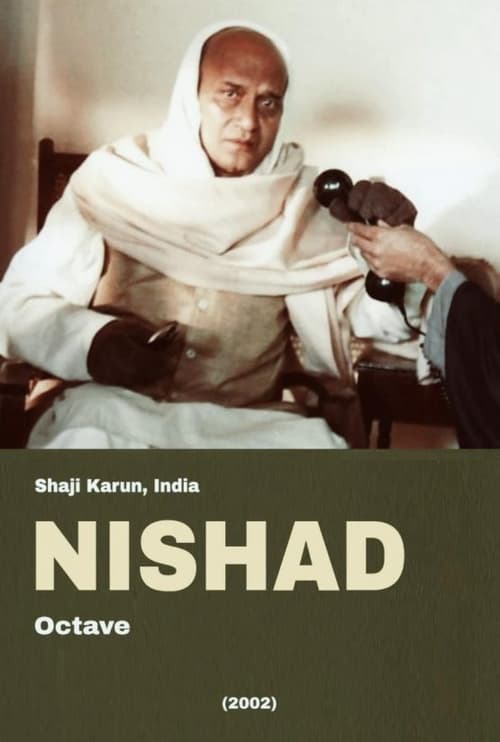
Nishad is a regional film that offers a unique Indian perspective on human interactions. By following the tradition of parallel cinema, it avoids the simplified stereotypes often found in mainstream movies. The film's strength lies in its cultural uniqueness and its focus on detailed, character-driven drama. However, it does not explicitly represent LGBTQ+ identities or disabilities.
Category Breakdown
The film focuses on a domestic couple, Gopi and Sati, without showing any LGBTQ+ characters or stories that challenge traditional relationships.
The story centers around a domestic unit, which allows for exploring gender roles. However, there is no clear indication of how the film challenges typical gender stereotypes.
As an Indian film, it naturally includes non-Western perspectives and challenges the dominance of Western cinema.
The film explores themes of interconnectedness and social harmony, focusing on human connections rather than strict traditional morals.
There is no mention of characters dealing with physical, neurological, or mental health issues in the story.
Present on Screen
Limited or Absent
Official Synopsis
A mistaken call from a young boy who is trying to reach his mother disrupts the peace of a couple, Gopi and Sati.
2010

2019
2012
2015
1988

2023
2001
2011
No reviews yet. Be the first to share your thoughts on this movie!
Use the rating form above to leave a star rating and optional review.