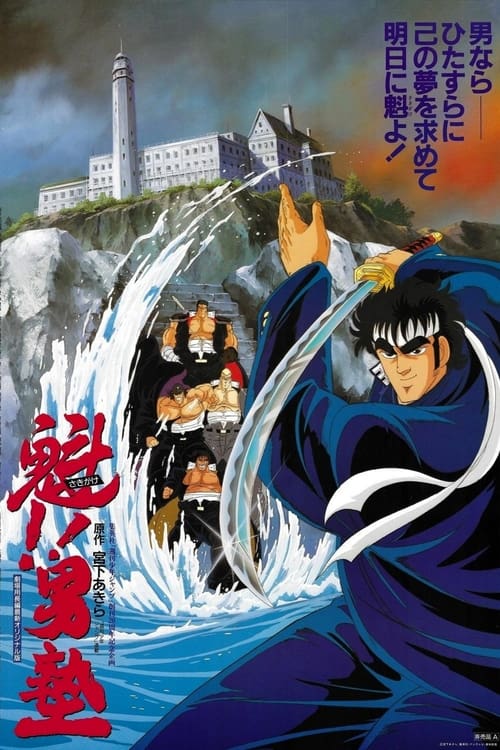
Charge!! Men's Private School
1988
No user ratings available yet
Representation score: 1.2 out of 10
Representation Score
Fair
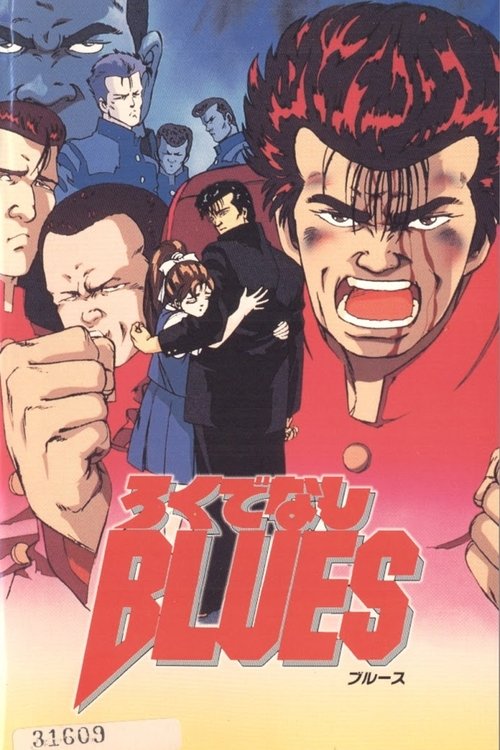
1992
Director
Takao Yoshisawa
Runtime
33 minutes
Average Rating
No ratings yetNew Showbiz Analysis
Rokudenashi BLUES explores adolescent social hierarchies within a specific genre. It finds its strength in critiquing institutional stability through its outcast protagonists and their interactions with rigid social orders and academic environments. However, the film remains heavily anchored in traditional masculine-driven action clichés. The narrative structure lacks complexity, focusing almost exclusively on male-centric gang dynamics and physical toughness. Ultimately, the work reflects the social constraints of its specific cultural setting. It fails to provide diverse casting or explicit challenges to gender and identity norms, resulting in a narrow social scope.
Category Breakdown
The story focuses on traditional adolescent social dynamics and male-dominated gang structures. There are no LGBTQ+ characters or identities that challenge the assumption that everyone is straight or cisgender.
The plot emphasizes male combat and physical prowess, reinforcing a focus on male characters' roles. Chiaki demonstrates intellectual influence, but the main drivers of the story are male characters involved in conflict.
The film is set in a specific Japanese cultural context with a homogeneous cast. There is no multi-ethnic casting or use of non-human species as metaphors for diversity.
The film offers a moderate critique of institutional authority by focusing on social outcasts. It disrupts traditional portrayals of educational institutions through its emphasis on delinquent subcultures.
Characters are defined by their social status and physical combat abilities. There is no indication of characters dealing with physical, neurodivergent, or mental health disabilities.
Present on Screen
Limited or Absent
Official Synopsis
Trouble finds Maeda, a good-for-nothing outcast with dreams of becoming a boxing champ, soon after enrolling at Teiken High School. His cavalier clumsiness has a way of attracting attention from gang leaders, school staff, and the precocious schoolgirl Chiaki. When a dangerous new gang leader threatens to upend order in the school, Maeda puts his training to work — along with every brain cell he can muster — to protect the balance of power.
1988
1996
2019
2001
2005
1996
1985
1992
No reviews yet. Be the first to share your thoughts on this movie!
Use the rating form above to leave a star rating and optional review.