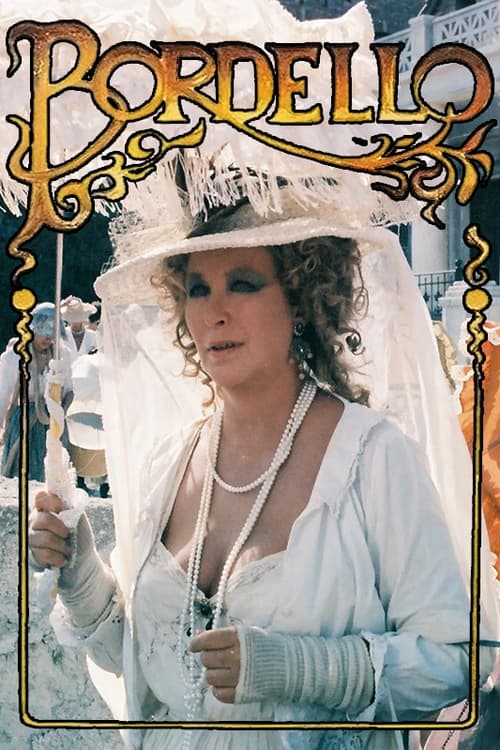
Bordello
1985
No user ratings available yet
Diversity score: 6.4 out of 10

1992
Director
Nikos Koundouros
Runtime
138 minutes
Average Rating
No ratings yetSynopsis
Poet Lord Byron decides to fight with the Greek revolutionaries in Missolonghi against the Turks but instead the glorious battle wrestles with fever and his own demons.
Overall Score
Good
Category Breakdown
LGBTQ+ Representation
The film touches upon the complex personal life of Lord Byron. His historical identity suggests an exploration of non-normative gender expressions and queer identity.
Gender Representation
The story centers on masculine revolutionary fervor. However, it subverts traditional male dominance by focusing on Byron's physical and mental decline.
Racial & Ethnic Diversity
The narrative engages with post-colonial themes through the Greek struggle against Ottoman forces. It highlights localized identity resisting an imperial power structure.
Religious & Cultural Diversity
The film deconstructs the 'Great Man' theory by prioritizing psychological depth over nationalist glory. It offers a skeptical view of romanticized historical heroism.
Disability Representation
Byron's struggle with fever and internal demons drives the plot. The film integrates his physiological and psychological instability as a core part of his identity.
Strengths
Areas for Improvement
AI Analysis
Byron: Ballad for a Daemon avoids the typical hagiography of historical biopics. Instead of a celebratory war epic, it offers a study of human frailty and internal fragmentation. The film uses the protagonist's physical decay to disrupt the 'heroic soldier' trope. The narrative succeeds in presenting a nuanced view of historical necessity. By focusing on Byron's personal demons, the film moves away from simple nationalist teleology toward a more complex character study. While the film explores significant themes of identity and resistance, it remains heavily centered on a single masculine figure. This limits the breadth of its social representation despite its psychological depth.
1985

1993
2001

1987

1996

1993

1982

1998

1978

2005

1973

1987
No reviews yet. Be the first to share your thoughts on this movie!
Use the rating form above to leave a star rating and optional review.