The Tracker
2002
No user ratings available yet
Representation score: 3.9 out of 10
Representation Score
Fair
2002
Director
Craig Lahiff
Runtime
99 minutes
Average Rating
No ratings yetNew Showbiz Analysis
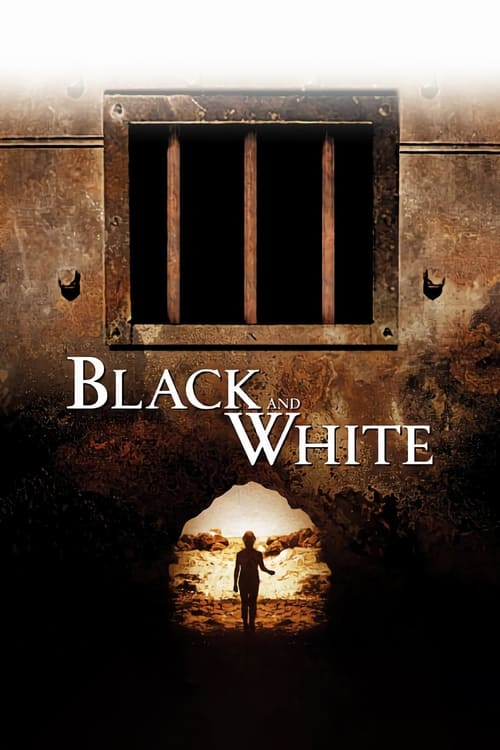
Black and White is a work of historical revisionism that examines systemic power dynamics. It goes beyond simple inclusion by using its narrative structure to critique the foundations of the social order it depicts. The film's main strength lies in its focus on the intersection of race and institutional corruption. By centering the struggle of an Indigenous man against a biased state, it challenges the historical norm of white judicial infallibility. However, the film lacks visible representation for LGBTQ+ identities and does not address disability issues.
Category Breakdown
The film focuses on a legal drama centered on racial injustice and criminal procedure. There are no explicit LGBTQ+ characters or non-straight relationships in the narrative.
The story highlights the roles of two skilled defense lawyers. If these lawyers are women, the film challenges traditional gender roles by placing female intellect at the center of a male-dominated institutional conflict.
The core conflict centers on the systemic mistreatment of Max Stuart, an Aboriginal man. The narrative explicitly critiques the racial biases of 1950s Australian institutions and the vulnerability of Indigenous people.
The film critiques traditional Western institutions, portraying the 1958 Australian legal and policing systems as potentially corrupt. It prioritizes the pursuit of justice over the preservation of institutional reputation.
There is no mention of characters navigating physical or neurodivergent disabilities within the provided narrative.
Present on Screen
Limited or Absent
Official Synopsis
Australia, 1958. When a nine year old white girl is found murdered, police are quick to arrest illiterate Aborigine, Max Stuart. Under interrogation Max admits to the killing. With a legal system compromised by intimidation tactics, the skills of his two gifted but naïve defense lawyers are put to the test.
2002

1989
2002

1989
1987
2020

1997

2016
No reviews yet. Be the first to share your thoughts on this movie!
Use the rating form above to leave a star rating and optional review.