Deep Blue
2003
No user ratings available yet
Diversity score: 1.4 out of 10
2013
Director
Chi Po-Lin
Runtime
93 minutes
Average Rating
No ratings yetSynopsis
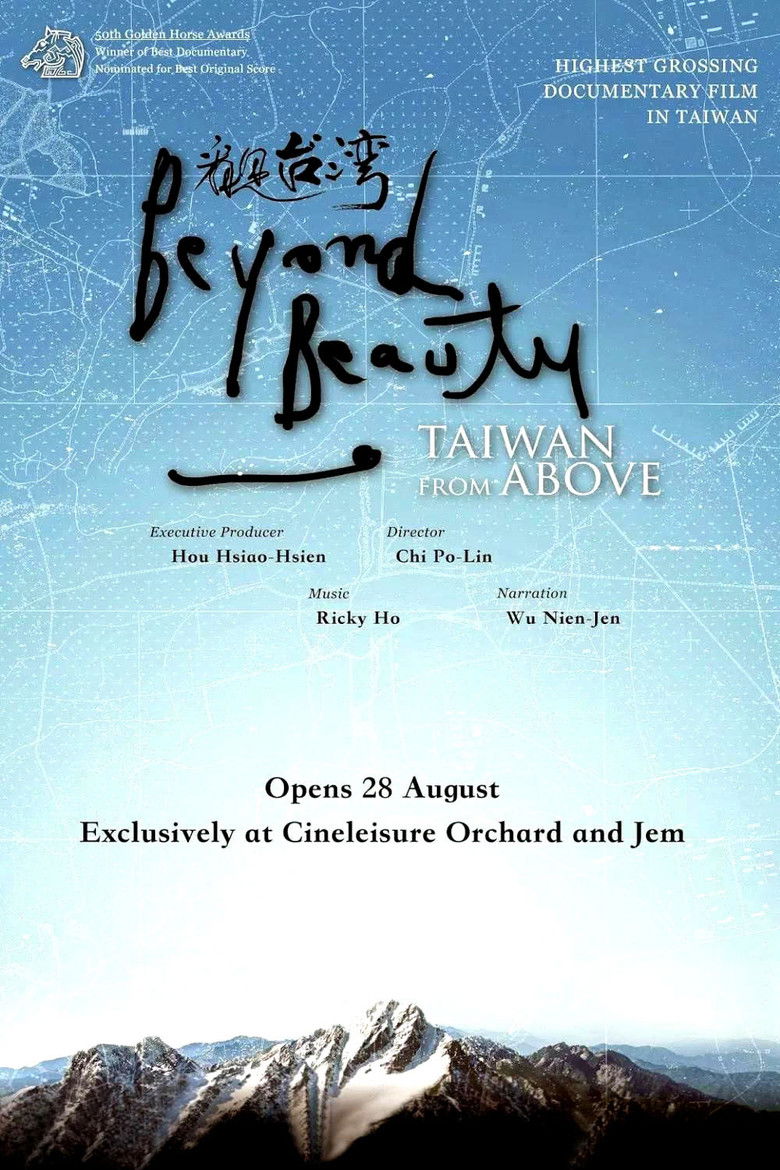
Documenting Taiwan from an aerial perspective offering a glimpse of Taiwan's natural beauty as well as the effect of human activities and urbanization on our environment.
Overall Score
Minimal
Category Breakdown
LGBTQ+ Representation
The film focuses strictly on environmental and topographical subjects. It contains no depictions of sexual orientation or romantic dynamics.
Gender Representation
The narrative avoids human social hierarchies and gendered roles. There is no engagement with masculine or feminine archetypes.
Racial & Ethnic Diversity
Representation is limited to the visual survey of Taiwan's landmass. The lack of human interaction prevents an assessment of ethnic agency.
Religious & Cultural Diversity
The film implicitly critiques rapid urbanization and industrialization. It highlights the tension between human development and ecological preservation.
Disability Representation
The documentary does not feature human subjects. Consequently, it does not address physical, sensory, or neurodivergent representation.
Strengths
Areas for Improvement
AI Analysis
Beyond Beauty: Taiwan from Above is a nature-centric documentary that prioritizes ecological observation over human-driven social dynamics. The cinematic focus remains on the topography and the environmental impact of human activity rather than individual identities. Because the film utilizes an aerial perspective to showcase the landscape, it lacks the human-centric framework necessary to explore social agency. The narrative architecture is designed to evoke awe for the terrain rather than engage with intersectional frameworks. Ultimately, the low diversity score reflects the film's specific genre and intent. It functions as an environmental meditation where the geography serves as the primary subject.
2003
2012
1990

2015

1997

1985

1966
2016
2009
2015
2018
2017
No reviews yet. Be the first to share your thoughts on this movie!
Use the rating form above to leave a star rating and optional review.