The End of the Line
2009
No user ratings available yet
Representation score: 4.0 out of 10
Representation Score
Fair
2012
Not RatedDirector
Mark Hall
Runtime
74 minutes
Average Rating
No ratings yetNew Showbiz Analysis
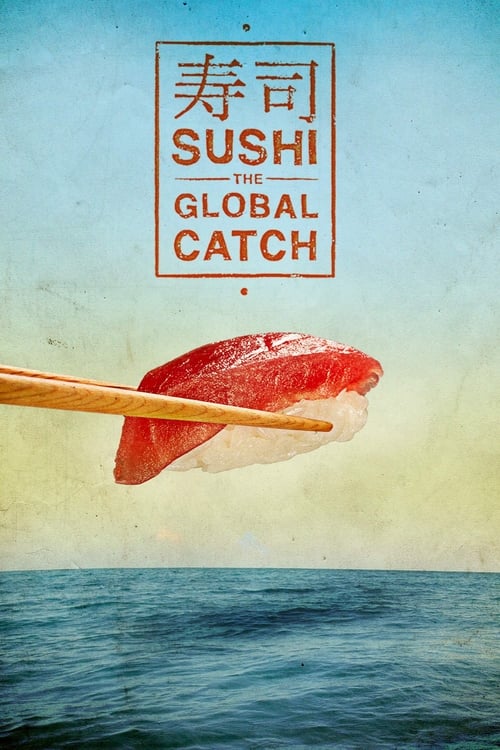
Sushi: The Global Catch is a specialized ecological documentary focused on the Blue Fin Tuna trade and its impact on ocean stocks. Its narrative structure revolves around environmental journalism and industrial supply chains rather than social or identity-based hierarchies. Because the primary goal is documenting a biological and economic phenomenon, the film lacks intentionality regarding characters who reflect more than one aspect of diversity. The focus remains strictly on the sustainability of the sushi industry and the consequences of global consumer demand.
Category Breakdown
The documentary focuses on nature and industry, offering no stories about LGBTQ individuals or non-straight relationships. The lack of representation means there are no queer narratives or identities that go beyond the assumption that everyone is straight or cisgender.
The film emphasizes industrial labor and ecological impact over gendered power dynamics. It does not address gender hierarchies or roles, focusing instead on the broader environmental issues.
The global scope suggests international inclusion across various geographic regions. However, the documentary prioritizes the tuna industry over complex, multi-layered stories for people of color.
The narrative critiques global consumerism and industrial exploitation through an ecological lens. It functions as an inquiry into environmental consequences rather than a specific cultural or ideological critique.
Disability, neurodivergence, and chronic illness are not addressed. There are no character arcs centered on these themes in the film.
Present on Screen
Limited or Absent
Official Synopsis
A look at the global sushi phenomenon and how the hunger for Blue Fin Tuna is impacting the ocean's stock.
2009
2013
2017

2019

2016

2009

2018

2017
No reviews yet. Be the first to share your thoughts on this movie!
Use the rating form above to leave a star rating and optional review.