The Secret Life of Bob Monkhouse
2011
No user ratings available yet
Representation score: 2.3 out of 10
Representation Score
Excellent
2005
Director
Linda Mendoza
Runtime
74 minutes
Average Rating
No ratings yetNew Showbiz Analysis
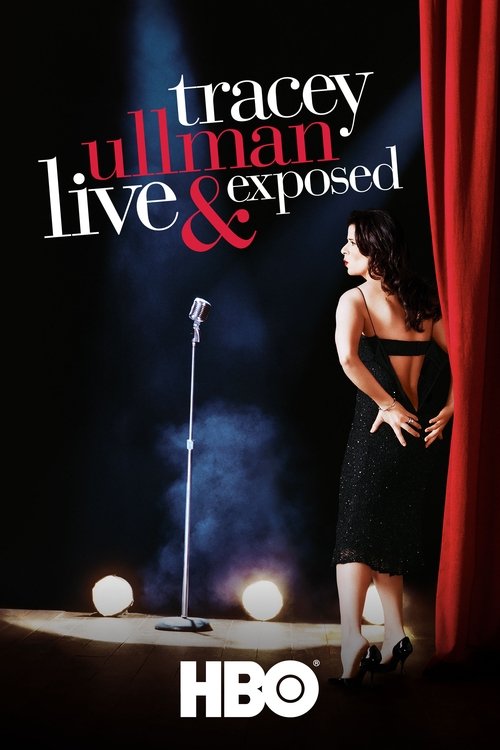
Tracey Ullman: Live and Exposed is a meta-documentary that uses character transformation to explore the fluidity of identity. By deconstructing her various alter-egos, Ullman challenges rigid social and demographic categorizations. The film excels in gender representation by centering female creative ability to act and subverting traditional roles. However, it struggles with disability representation, as eccentricities often lean toward comedic clichés rather than authentic portrayals of lived experience. While the production offers a sophisticated look at the artifice of persona, its LGBTQ+ and racial depth is tied to the specific sketches performed, making the representation dependent on the performer's character repertoire.
Category Breakdown
The film explores LGBTQ+ themes through the performer's portrayal of characters. It challenges traditional gender norms by exploring queer subtext.
The production highlights a female creator's intellectual dominance. It challenges traditional gender hierarchies by allowing a woman to master various archetypes.
The work features diverse ethnic characters and explores different cultural identities. These characters are developed through the lens of character-driven comedy.
The narrative questions social norms and fixed identities. It promotes a skeptical view of traditional social structures and established expectations.
There is limited focus on neurodivergence or physical disabilities. Behavioral quirks often serve as comedic devices rather than authentic portrayals of lived experience.
Present on Screen
Limited or Absent
Official Synopsis
After inhabiting dozens of comical alter-egos over the course of her award-winning career, Tracey Ullman finally "takes on" the one role that spawned all of her characters — herself.
2011

2013
1995
2017

2003
2018
2003

2017
No reviews yet. Be the first to share your thoughts on this movie!
Use the rating form above to leave a star rating and optional review.