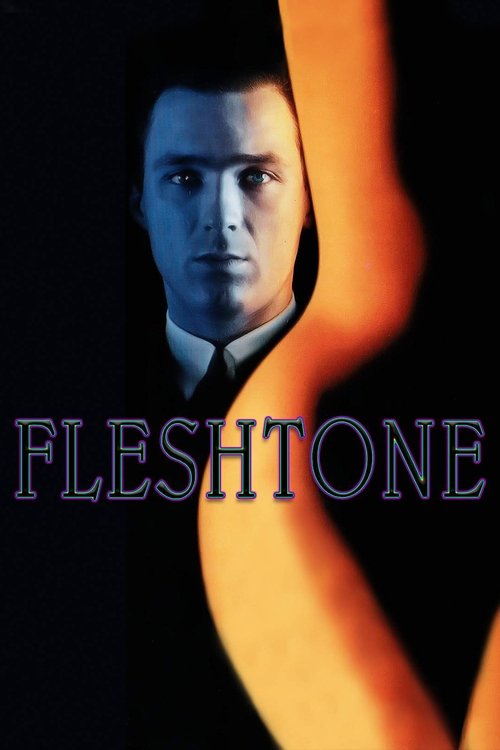
Fleshtone
1994
No user ratings available yet
Representation score: 3.1 out of 10

Representation Score
Minimal
1994
RDirector
Alan Roberts
Runtime
93 minutes
Average Rating
No ratings yetNew Showbiz Analysis
Save Me (1994) operates as a conventional mid-90s mystery thriller that strictly adheres to established genre clichés. The narrative architecture prioritizes individual psychological conflict over any meaningful exploration of identity or systemic social hierarchies. The film relies on standard archetypes like the femme fatale and the beleaguered male professional, reinforcing traditional power dynamics. Without diverse casting or multi-layered themes, the work remains a product of its era's mainstream cinematic norms. Ultimately, the film lacks the necessary indicators of inclusive representation or cultural subversion to go beyond a typical genre exercise.
Category Breakdown
The film does not include any characters with non-binary gender identities or same-sex relationships. It relies on traditional noir archetypes centered around a femme fatale.
The story centers on a beleaguered male protagonist, while the femme fatale archetype offers potential for women to play a significant role in driving the plot. However, the overall structure leans towards conventional gendered clichés common in thrillers.
There is no information about the racial or ethnic makeup of the cast. The narrative does not indicate any diversity or non-Anglo-Saxon majority.
The story is grounded in Western clinical frameworks, particularly through the presence of a psychiatrist. It focuses on individual professional crises without addressing broader cultural or anti-institutional themes.
Character descriptions do not mention physical disabilities or neurodivergence. There is no indication of mental health conditions being portrayed with real power.
Present on Screen
Limited or Absent
Official Synopsis
An accountant beleaguered by personal and professional problems gets involved with a femme fatale and her mysterious psychiatrist.
1994
1994
1992
1976
1999

1983
1994
1997
No reviews yet. Be the first to share your thoughts on this movie!
Use the rating form above to leave a star rating and optional review.