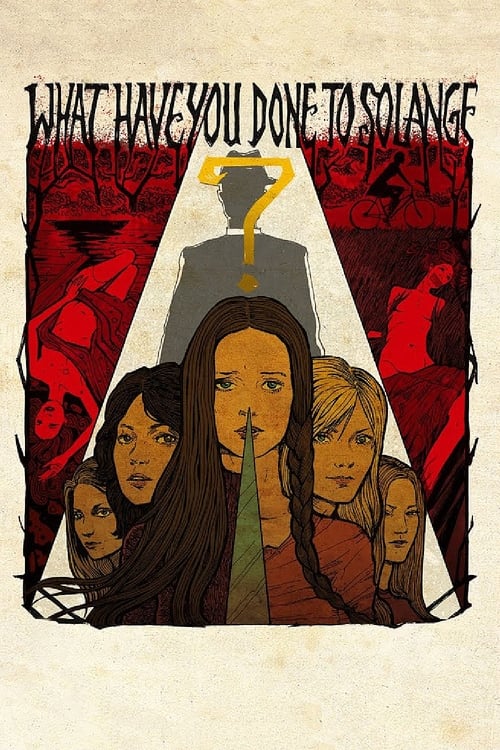
What Have You Done to Solange?
1972
No user ratings available yet
Diversity score: 2.4 out of 10
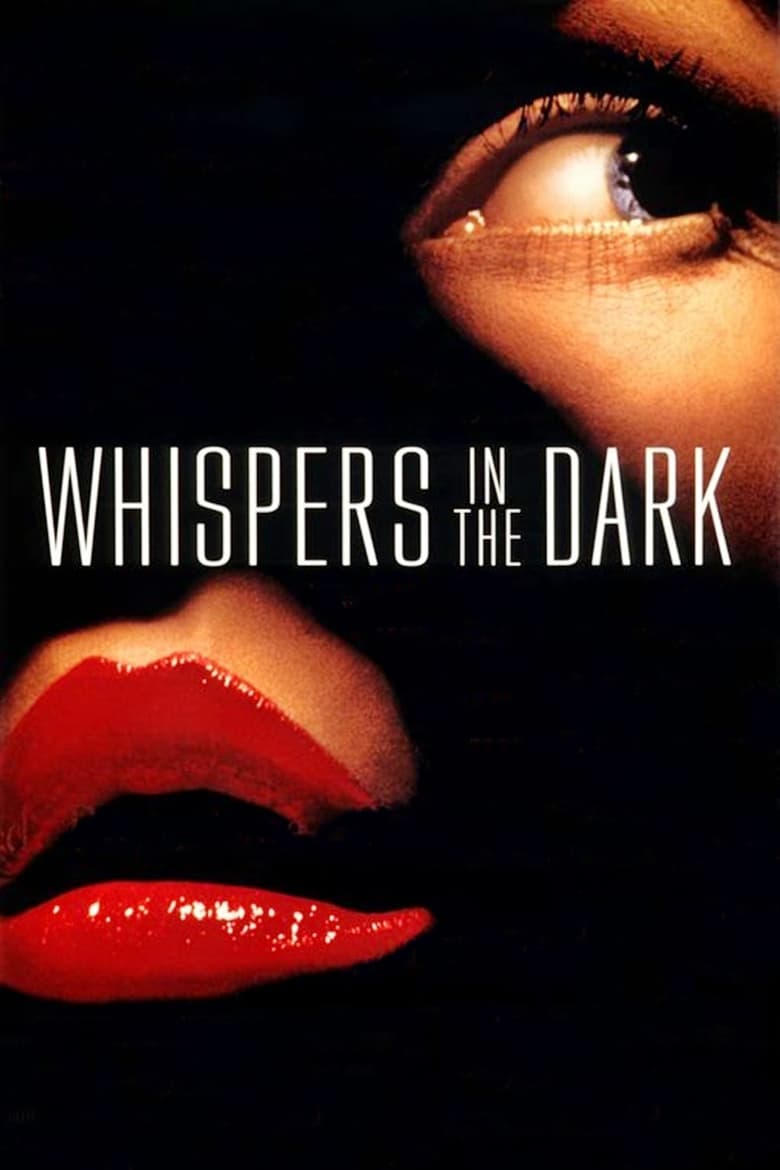
1992
RDirector
Christopher Crowe
Runtime
103 minutes
Average Rating
No ratings yetSynopsis
Psychiatrist Ann Hecker is ending one relationship and possibly starting an important new one, while finding that some of the sexual exploits her patients relate are weighing on her. Turning to a married friend from her research days for guidance, she finds his help increasingly important when a female patient is murdered and it turns out that her new boyfriend was also seeing the dead woman.
Overall Score
Limited
Category Breakdown
LGBTQ+ Representation
The film adheres to heteronormative structures throughout its narrative. There is no evidence of queer narratives or non-cisnormative gender identities present in the story.
Gender Representation
Ann Hecker provides a degree of female agency as a psychiatrist in a position of authority. However, the plot occasionally relies on traditional tropes regarding female peril and vulnerability.
Racial & Ethnic Diversity
The production lacks significant racial diversity or intentional color-blind casting. The cast appears homogeneous, reflecting the white, middle-class environments typical of early 1990s thrillers.
Religious & Cultural Diversity
The story operates within a conventional Western framework. It focuses on individual mysteries rather than offering critiques of religion, capitalism, or Western social institutions.
Disability Representation
Mental health and psychological instability serve primarily as plot devices to drive suspense. Characters lack agency outside of their clinical or victim status within the mystery.
Strengths
Areas for Improvement
AI Analysis
Whispers in the Dark is a conventional psychological thriller that prioritizes genre-standard tension over progressive narrative architecture. While it centers on a female professional, it lacks the intersectional depth or racial diversity required for a higher score. The film functions as a traditional character study that reinforces established social norms. It offers little disruption to the cinematic expectations of the early 1990s, focusing on individual trauma rather than systemic critique. Ultimately, the production relies on standard investigative arcs and homogeneous casting, resulting in a narrative that feels rooted in the era's traditional thriller tropes.
No reviews yet. Be the first to share your thoughts on this movie!
Use the rating form above to leave a star rating and optional review.