
Rehearsal for Murder
1982
No user ratings available yet
Representation score: 4.4 out of 10

Representation Score
Limited
1985
ApprovedDirector
David Greene
Runtime
104 minutes
Average Rating
No ratings yetNew Showbiz Analysis
Guilty Conscience is a character-driven psychological thriller that operates within the conventional social frameworks of the mid-1980s. While it avoids many modern multi-layered complexities, it offers a more nuanced look at gendered power dynamics than many contemporary domestic thrillers. The film's strength lies in its subversion of gender clichés, particularly through the female lead's intellectual ability to act. However, the story is limited by a lack of racial and LGBTQ+ diversity, remaining tethered to a homogeneous social structure. Ultimately, the film functions as a localized interpersonal drama. It prioritizes the breakdown of a specific marriage over broader systemic or cultural critiques.
Category Breakdown
The story revolves around a heterosexual marital conflict. There are no non-cisgender gender identities or same-sex relationships portrayed.
Louise transitions from a passive participant to an active protagonist, playing a significant role in driving the story. This shift challenges the cliché of the submissive female spouse in domestic suspense.
The focus is on a local legal dispute involving white characters. The film lacks a diverse cast or the integration of non-Anglo-Saxon perspectives.
The film explores the corruption of marriage and the legal system. It focuses on the breakdown of the nuclear family rather than a systemic critique of religion.
There are no visible or invisible disabilities integrated into the character arcs or used as central plot devices.
Present on Screen
Limited or Absent
Official Synopsis
Amid acrimonious divorce proceedings, Louise (Blythe Danner) unwittingly puts her life in danger when she contests the prenuptial agreement she signed before marrying attorney Arthur Jamison (Anthony Hopkins). He plans to kill her to resolve the situation. Armed with information on how her cheating husband conducts his business and personal affairs, she demands more money from him -- but will Arthur have the final word?
1982
1986
1981

1985
1991
1976

1992
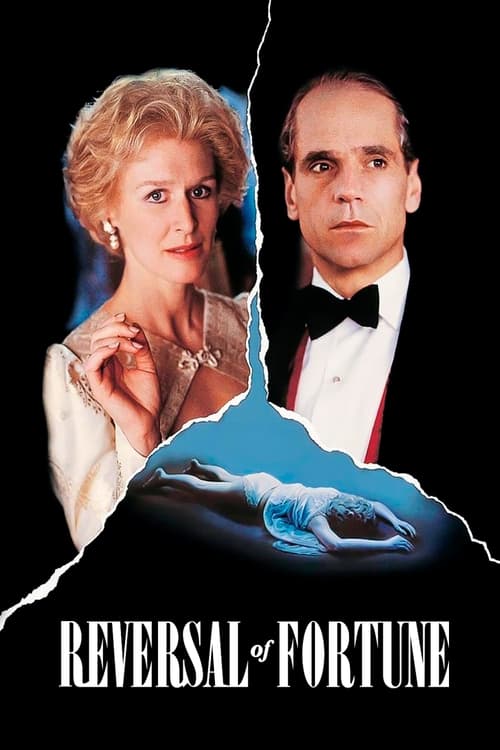
1990
No reviews yet. Be the first to share your thoughts on this movie!
Use the rating form above to leave a star rating and optional review.