
Children Playing Marbles
1896
No user ratings available yet
Representation score: 0.3 out of 10
Representation Score
Limited
1896
Director
Louis Lumière
Runtime
1 minutes
Average Rating
No ratings yetNew Showbiz Analysis
Louis Lumière’s film serves as a historical document of early cinema, focusing on capturing real-life social interactions rather than challenging social hierarchies. The film captures a specific moment in history through an observational lens. Since the film adheres to the demographics of late 19th-century France, it does not intentionally address issues of identity or power dynamics. Instead, it documents existing social structures without attempting to change them. Ultimately, the film provides a snapshot of the social dynamics and traditional leisure activities of the time, offering limited modern representation or diverse character development.
Category Breakdown
The film does not include any LGBTQ+ characters or non-straight relationships. It focuses on social interactions without addressing or challenging assumptions about straight relationships.
The film shows a gathering of friends and family. It reflects typical social dynamics of the time without women taking leading roles or challenging traditional gender roles.
As a documentary of events in 19th-century France, the cast is uniform, reflecting the demographics of the era. There is no evidence of racial diversity or varied casting.
The film captures traditional social gatherings and debates. It documents community life as it was without critiquing Western social norms or institutions.
There are no characters with visible or documented disabilities, nor are there any representations of individuals with physical or neurological differences.
Present on Screen
Limited or Absent
Official Synopsis
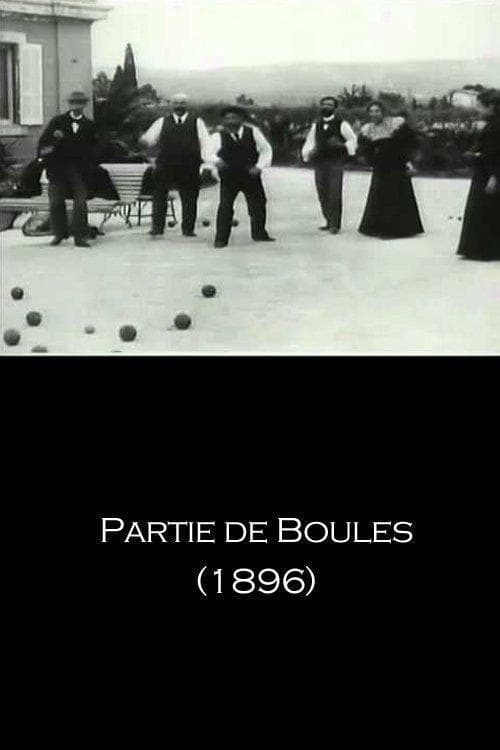
Friends and relatives playing a game of boules, arguing about who's team is winning.
1896

1896
1895
1896

1897

1897
1896
1896
No reviews yet. Be the first to share your thoughts on this movie!
Use the rating form above to leave a star rating and optional review.