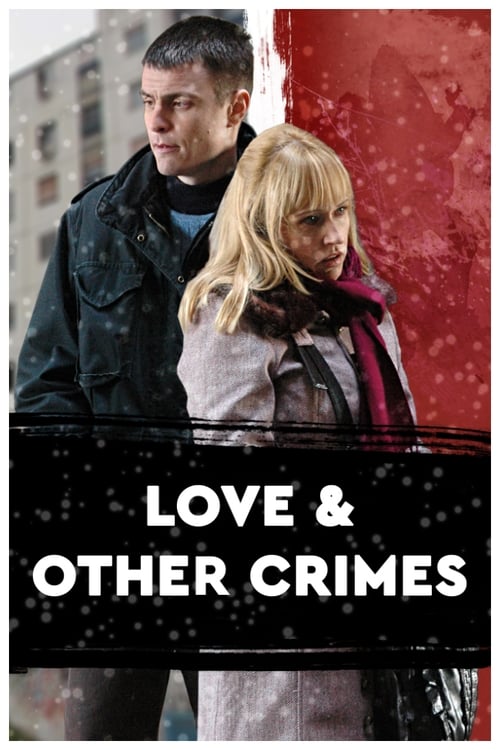
Love and Other Crimes
2008
No user ratings available yet
Representation score: 5.7 out of 10

Representation Score
Fair
2007
Director
Srđan Vuletić
Runtime
86 minutes
Average Rating
No ratings yetNew Showbiz Analysis
The film excels at deconstructing traditional power hierarchies, particularly regarding masculine authority. By centering a protagonist struggling against systemic corruption, it provides a nuanced look at survival and ethics in a post-conflict landscape. However, the narrative remains largely confined to a traditional heterosexual framework, limiting its broader social representation. Ultimately, the film's strength lies in its cultural specificity and its refusal to offer simplified moral lessons, opting instead for a gritty, realistic exploration of social transition.
Category Breakdown
The story centers around a heterosexual couple, Fudo and Azra, with no evidence of LGBTQ+ characters or non-conforming gender identities within the main plot.
The film challenges traditional masculine dominance by showing Fudo's competence as fragile. Azra exercises significant influence by leaving the domestic sphere, demonstrating strong moral guidance.
The film is deeply rooted in the specific ethnic fabric of Sarajevo, focusing on regional authenticity and the nuances of a particular Bosnian cultural context.
The narrative offers a sophisticated critique of systemic corruption and moral relativism, exploring the challenges of maintaining integrity within a flawed social and capitalist system.
There are no visible or invisible disabilities portrayed as central to the character arcs in this narrative.
Present on Screen
Limited or Absent
Official Synopsis
Story about a forty-something Sarajevo taxi driver named Fudo (Saša Petrović) who decides to take control of his own destiny. Fudo doesn't earn much, so he supplements his income by offering tips to the local criminal syndicate and turning a blind eye to their nefarious dealings. One day, after offering a particularly bad bit of advice to a violent gangster, Fudo is badly beaten. When Fudo's wife Azra (Daria Lorenci) discovers what has happened, she decides to take the couple's infant son and move out. Now determined to win his wife back and restore peace in the home, Fudo decides to go straight. But cleaning up his act isn't going to be easy, because after borrowing enough cash from black market dealer Sejo (Emir Hadžihafizbegović) to purchase a van and then refusing to aid him in any underhanded dealings, the only person willing to cut him any slack is the sympathetic Azra.
2008
2002

2003

2018
1981

2012
2004

2006
No reviews yet. Be the first to share your thoughts on this movie!
Use the rating form above to leave a star rating and optional review.