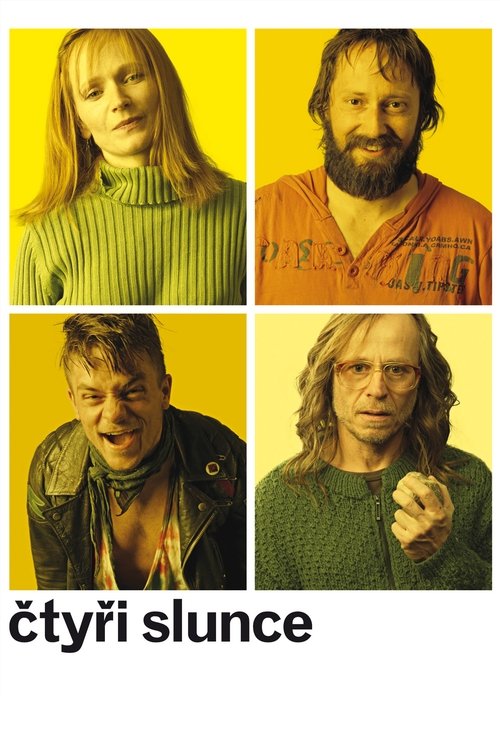
Four Suns
2012
No user ratings available yet
Representation score: 3.8 out of 10

Representation Score
Limited
2012
Director
Adrian Silișteanu
Runtime
19 minutes
Average Rating
No ratings yetNew Showbiz Analysis
The film serves as a character study of social stratification in a rural setting. It excels by highlighting the experiences of a underrepresented Roma character, using a transactional relationship to underscore systemic social exclusion. However, the film adheres to conventional social structures. Gender dynamics rely on traditional domestic conflicts, and the narrative lacks representation for LGBTQ+ identities or individuals with disabilities. Ultimately, the work finds its strength in the tension between institutional religious norms and individual moral decision-making, even while operating within a traditional framework.
Category Breakdown
The film does not include any LGBTQ+ characters or stories about non-cisgender identities. The plot centers around a typical married couple.
Gender roles follow traditional expectations, showing a husband who avoids work and a wife who upholds moral standards. The main conflict arises from typical domestic disagreements.
The film offers a nuanced portrayal of ethnic integration through Petre, a young Roma man. It highlights systemic exclusion when villagers refuse to participate in his child's rites.
The narrative explores tensions between secular duties and religious traditions. The protagonist's choice to perform a baptism himself critiques how communal institutions can exclude certain groups.
There are no visible or invisible disabilities represented in the film.
Present on Screen
Limited or Absent
Official Synopsis
On a hot summer day, Vasile, a 50-something year old peasant, refuses to accompany his wife Lucretia to a religious ceremony arguing he has to finish the ditch in front of their house to avoid paying a fine. Scared by the hard work ahead of him, he tries to find somebody to help him. Petre, a Gypsy young man seems to be the right person. After changing a few words with him, Vasile notices that Petre is upset because none of the villagers wants to be the Godfather for his kid. Vasile decides to baptize the child himself asking Petre in exchange to help him finish the ditch. In the evening, Lucretia learns about Vasile's decision and a new ordinary domestic fight starts between them.
2012
2011
2000
2005
2004
2013
2023
2023
No reviews yet. Be the first to share your thoughts on this movie!
Use the rating form above to leave a star rating and optional review.