
A Railwayman's Word
1953
No user ratings available yet
Representation score: 2.3 out of 10
Representation Score
Limited
1984
Director
Jürgen Böttcher
Runtime
21 minutes
Average Rating
No ratings yetNew Showbiz Analysis
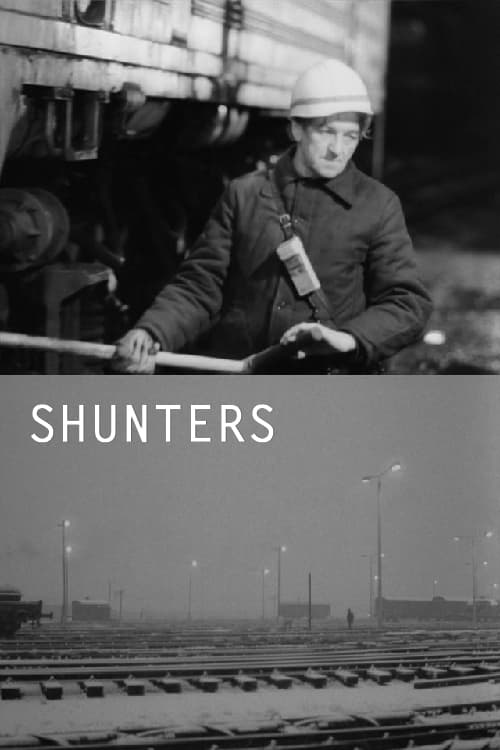
Shunters is a specialized documentary that emphasizes the material reality of the working class over traditional cinematic heroism. It succeeds in its goal to honor manual labor, using sound and atmosphere to emphasize the human element within industrial systems. However, the film is constrained by the historical and demographic limitations of its 1984 East German setting. This results in a lack of diversity in terms of gender, race, and LGBTQ+ identities. The film functions as a realistic observation of a specific industrial site, making it a narrow but focused study of class and labor rather than a broad social tapestry.
Category Breakdown
The film focuses on the mechanical and physical operations of the Dresden-Friedrichstadt goods yard. There is no information about the sexual orientation or gender identity of the workers.
The story centers on industrial shunting, a role traditionally held by men in the 1980s East German industry. Women are not shown in leadership roles.
Set in 1984 East Germany, the film features a cast that appears ethnically uniform. It serves as a realistic portrayal of a specific socio-economic context.
The film highlights the dignity of manual labor by emphasizing the sensory and rhythmic aspects of work. It dismantles hierarchies by focusing on the shunter rather than management.
There is no indication that characters with visible or invisible disabilities play a central role in the narrative or serve as plot devices.
Present on Screen
Limited or Absent
Official Synopsis
Experienced shunters working at the Dresden-Friedrichstadt goods yard. In all weathers, day and night, they couple and uncouple the wagons. The air is full of sound: hammering, steps crunching on the gravel, whistles and shunting noises.
1953

1927

1963
1936
1904

1900
1958

1971
No reviews yet. Be the first to share your thoughts on this movie!
Use the rating form above to leave a star rating and optional review.