
anohana: The Flower We Saw That Day - The Movie
2013
No user ratings available yet
Representation score: 4.7 out of 10

Representation Score
Excellent
2022
Director
Naoko Yamada
Runtime
18 minutes
Average Rating
No ratings yetNew Showbiz Analysis
Naoko Yamada presents a nuanced character study that emphasizes internal emotional truths over strict plot structures. The film dismantles the idealized version of domestic life, replacing it with a raw, lived experience. Though the film does not include overt demographic markers or explicit identity labels, it excels in its subjective storytelling. It uses sensory memories and the metaphor of a garden to explore the complexities of loss. Ultimately, the work serves as a sophisticated exploration of memory. It prioritizes the fluid nature of human connections over traditional social hierarchies or polished, linear narratives.
Category Breakdown
The film portrays a close, non-traditional relationship between a deceased person and a survivor. Sexual identities are not specified, but the bond feels flexible and goes beyond typical romantic roles.
The story focuses on the emotional journey of a female character and challenges traditional masculine stereotypes. It emphasizes vulnerability and emotional intelligence rather than assertiveness.
The narrative seems to center around a local, character-driven story. There is no indication of a diverse cast or subversion of racial hierarchies within the setting.
The film avoids sanitized, moralistic portrayals by embracing a messy, secular domesticity. It uses a cluttered room and alcohol to explore a raw, humanistic existence.
The film touches on themes of psychological distress and the weight of grief. However, characters are not explicitly defined by disabilities or neurodivergence.
Present on Screen
Limited or Absent
Official Synopsis
An untidy room. Empty beer tins, empty wine bottles, a half-empty glass of whisky... A girl is getting up absent-mindedly and starts preparing herself. YOUR morning starts. Lazy and hard-to-wake-up YOU. The emoticon is ME watching over YOU. I play tricks on YOU, while YOU are playing the guitar and drinking. One day, in town, YOU walk past THE CHILDHOOD FRIEND who is buying an Anemone I liked, and remembering that I liked them, YOU rush out to buy them. THE CHILDHOOD FRIEND displays the Anemone with care. One day, years after I died, YOU hear noise from the closet. Opened, YOU see MY garden right in front of YOU. Overflowing emotions of ME and YOU. When exiting from the room with memories, a picture of the Anemone that YOU painted is displayed in YOUR new room.
2013
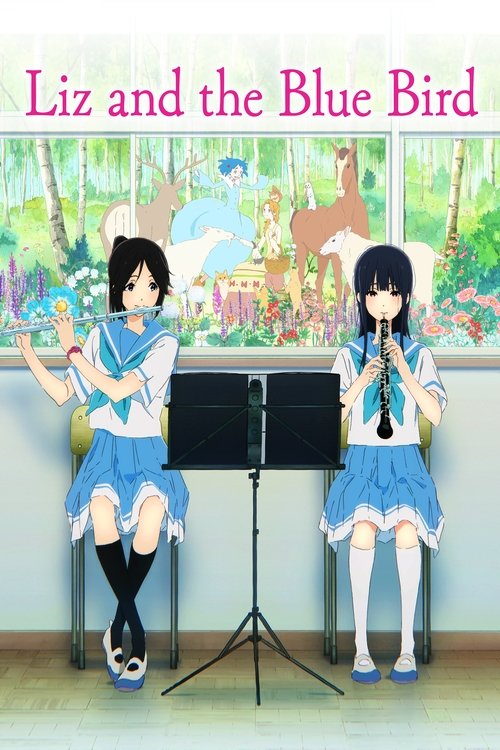
2018
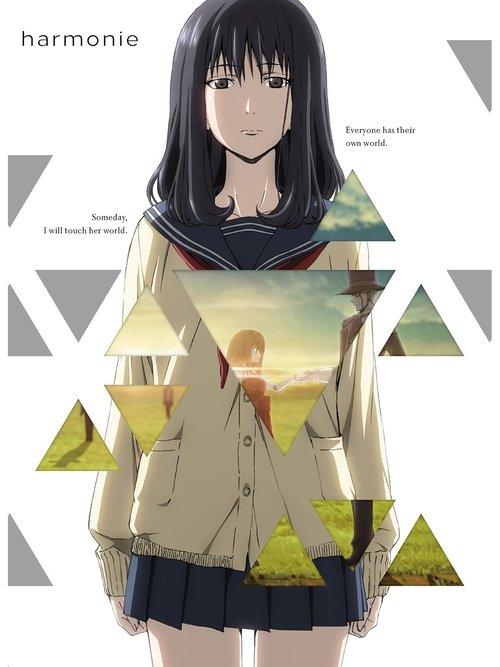
2014
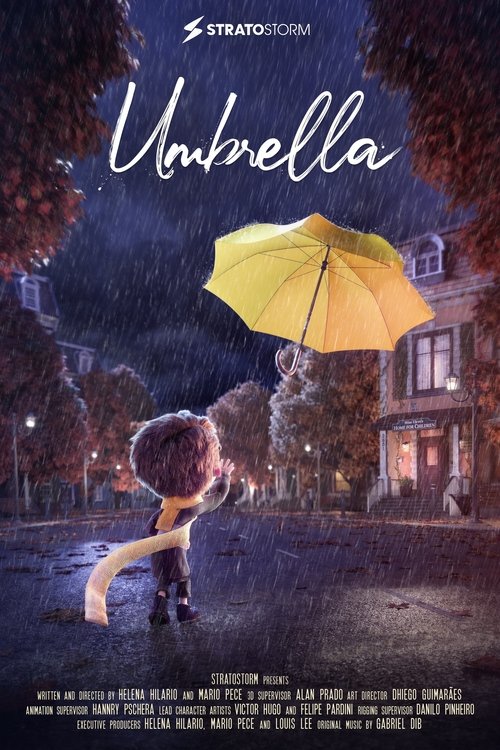
2020
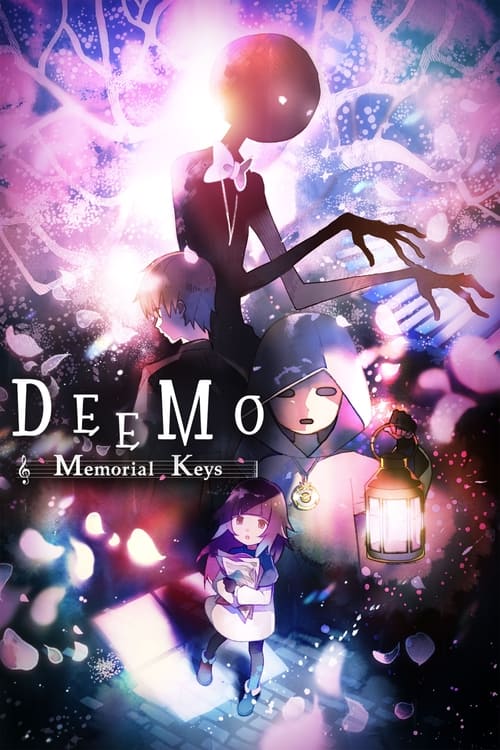
2022
2013
2001
2011
No reviews yet. Be the first to share your thoughts on this movie!
Use the rating form above to leave a star rating and optional review.