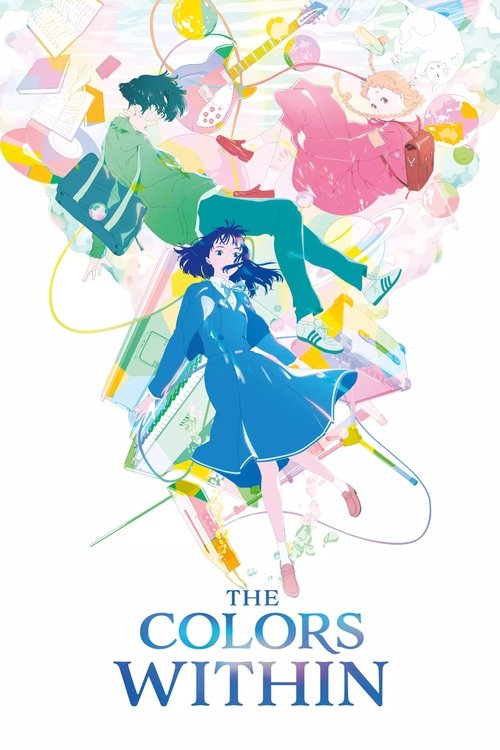
The Colors Within
2024
No user ratings available yet
Representation score: 8.3 out of 10
Representation Score
Excellent
2018
Director
Naoko Yamada
Runtime
91 minutes
Average Rating
No ratings yetNew Showbiz Analysis
Naoko Yamada delivers a sophisticated exploration of identity, primarily through the lens of queer-coded intimacy and female autonomy. The film excels at using subtle cinematic language to depict complex emotional bonds that transcend traditional friendship. While the film is deeply nuanced in its portrayal of interpersonal dynamics, it remains rooted in a culturally homogeneous setting. This limits its reach regarding broader racial and ethnic diversity. Ultimately, the work succeeds by deconstructing social hierarchies and focusing on the internal, psychological landscapes of its protagonists, making it a progressive study of human connection.
Category Breakdown
The film centers on the intense, non-straight relationship between Nozomi and Mizuho. It uses musical motifs and subtle physical proximity to explore queer desire and adolescent identity without relying on explicit labels.
The story constructs a female-centric ecosystem that challenges traditional patriarchal hierarchies. It focuses on the intellectual and emotional empowerment of the protagonists as they navigate their personal identities.
Set in a culturally specific Japanese high school, the film maintains authenticity without utilizing diverse ethnic representation. It avoids racial stereotypes but does not actively disrupt the demographic homogeneity.
The narrative prioritizes the internal psychological reality of characters over external social mandates. It explores ambiguity and the breakdown of traditional social certainties through a sophisticated, non-traditional lens.
The film explores neurodivergent-coded experiences, specifically social anxiety and communication barriers. These internal psychological struggles are treated with depth and character empowerment.
Present on Screen
Limited or Absent
Official Synopsis
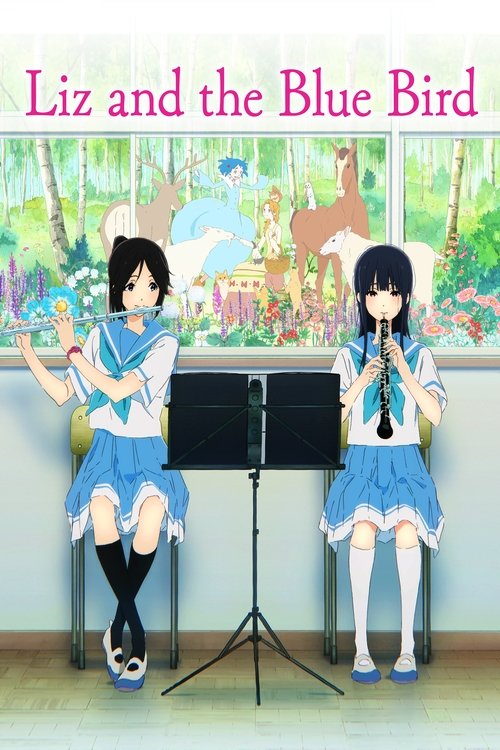
In their last year of high school, two girls in the brass band club perform a song inspired by a fairy tale that parallels their friendship.
2024
2020

2016
2022

2023
2017
2024
2026
No reviews yet. Be the first to share your thoughts on this movie!
Use the rating form above to leave a star rating and optional review.