Floored by Love
2005
No user ratings available yet
Representation score: 6.8 out of 10
Representation Score
Good
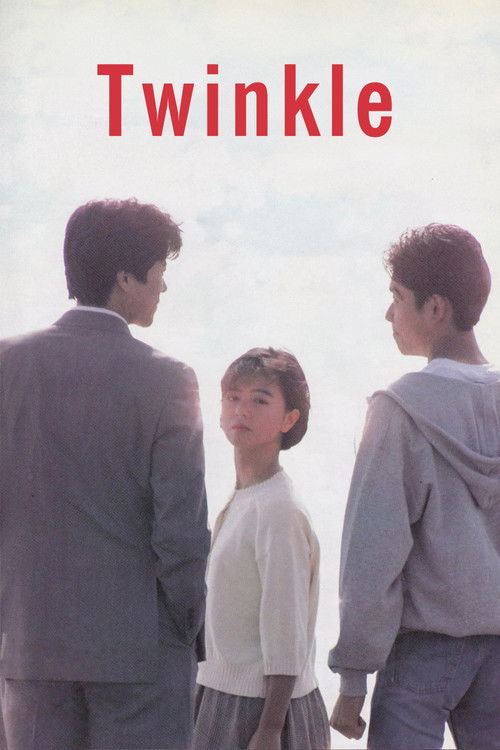
1992
Director
Jōji Matsuoka
Runtime
103 minutes
Average Rating
No ratings yetNew Showbiz Analysis
Twinkle stands out as a subversive drama that dismantles the domestic clichés of early 90s cinema. By centering a protagonist whose romantic interests deviate from straight expectations, the film uses queer identity to drive its emotional arc rather than treating it as a subplot. The film also provides a sharp critique of gendered social milestones. It challenges the pressure on women to conform to specific age-related marriage timelines, favoring personal autonomy over societal norms. However, the film remains culturally insular. While it skillfully critiques Japanese social constraints, it lacks racial and ethnic diversity, focusing almost exclusively on a homogeneous social environment.
Category Breakdown
The film centers on a male protagonist whose relationship with a male college student shapes the main conflict. This approach goes beyond simple inclusion by making non-straight relationships a key part of the story.
Shoko's character challenges societal pressures by living outside the typical life path for Japanese women. The story emphasizes personal autonomy over traditional feminine roles and domestic expectations.
The narrative focuses on a homogeneous Japanese society. While it avoids harmful stereotypes, it lacks diverse ethnic representation and perspectives.
The film offers a nuanced critique of traditional family structures and obligatory marriages. It portrays marriage as a means for parental satisfaction rather than a true source of personal connection.
The available narrative details do not include characters dealing with physical, neurodivergent, or mental health disabilities.
Present on Screen
Limited or Absent
Official Synopsis
Shoko and Mutsuki get married to satisfy their worried parents, but she is well past the age at which a ‘good’ Japanese woman should marry, and he is in love with a young male college student.
2005
1970
1993
2004
1987
2013

2007
1990
No reviews yet. Be the first to share your thoughts on this movie!
Use the rating form above to leave a star rating and optional review.