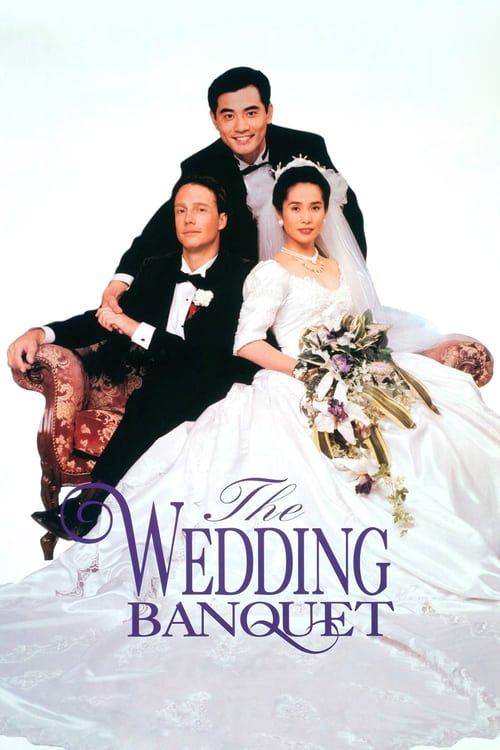
The Wedding Banquet
1993
No user ratings available yet
Representation score: 7.0 out of 10

Representation Score
Good
1987
RDirector
Steven Okazaki
Runtime
83 minutes
Average Rating
No ratings yetNew Showbiz Analysis
Living on Tokyo Time is a character-driven exploration of systemic displacement and immigrant identity. It uses the specific lens of the Japanese diaspora to critique broader institutional frameworks and Western social norms. The film successfully delves into the complexities of ethnic identity and the pragmatic negotiations needed to navigate immigration law. By focusing on a marriage of convenience, it shifts away from idealized romantic clichés towards a more situational understanding of survival. While the film offers rich racial and cultural depth, it lacks explicit representation of disability or queer identities. The focus remains primarily on the intersection of ethnicity and legal status.
Category Breakdown
The film challenges typical romantic clichés by focusing on a marriage of convenience instead of romance. There are no explicitly queer characters or non-cisgender identities shown.
A female immigrant drives the plot through strategic thinking and taking control. The story presents marriage as a survival tactic, which may challenge traditional gender roles.
The story focuses on the Japanese diaspora and the conflicts between immigrants and Japanese-Americans. It explores the systemic barriers and the outsider experience faced by these communities.
The film critiques Western bureaucratic strictness and the sanctity of marriage by showing it as a transactional tool. It offers a nuanced view of cultural survival.
There is no evidence regarding the portrayal of physical or neurodivergent disabilities in this work.
Present on Screen
Limited or Absent
Official Synopsis
When her visa expires, a young Japanese immigrant in San Francisco agrees to marry a Japanese-American boy to avoid being deported back to Japan.
1993

1970
1995

1990

2005
1992

2003

2023
No reviews yet. Be the first to share your thoughts on this movie!
Use the rating form above to leave a star rating and optional review.