
Chronicle of Amorous Accidents
1986
No user ratings available yet
Representation score: 5.5 out of 10

Representation Score
Limited
2007
Director
Michał Kwieciński
Runtime
101 minutes
Average Rating
No ratings yetNew Showbiz Analysis
This historical drama focuses on the intersection of personal biography and the onset of World War II. The narrative highlights how global catastrophe disrupts the dreams of high school graduates in 1939 Poland. The film operates as a traditional period piece, emphasizing the loss of individual ability to act during systemic upheaval. It does not use contemporary frameworks to challenge identity politics or social norms. Given the historically specific setting, the cast and themes reflect the demographic and social constraints of the era, rather than a diverse or multi-ethnic landscape.
Category Breakdown
The film does not show any explicit LGBTQ+ identities. Given its 1939 setting, it doesn't include any visible queer characters or challenge the assumption that everyone is straight or cisgender.
The story follows both male and female graduates. However, it doesn't depict any subversion of traditional gender roles or highlight the intellectual capabilities of women.
The narrative reflects the homogeneous demographics of 1939 Poland. While the war involves systemic oppression, the cast remains localized and non-multi-ethnic.
The film explores historical tragedy and the fragility of ambition. It likely engages with traditional patriotism without deconstructing national or Western institutions.
There is no documented evidence of characters with physical or neurodivergent disabilities.
Present on Screen
Limited or Absent
Official Synopsis
Three high school graduates prepare to start the next chapter of their lives, but the outbreak of World War II may derail their dreams forever.
1986
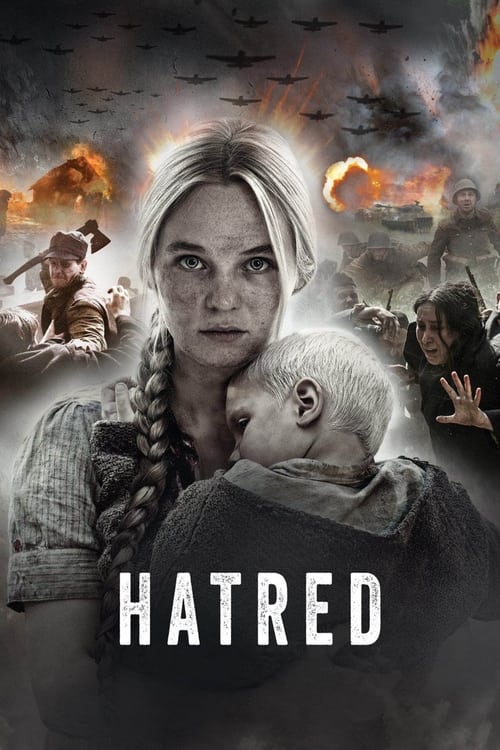
2016

2022

2013

2010
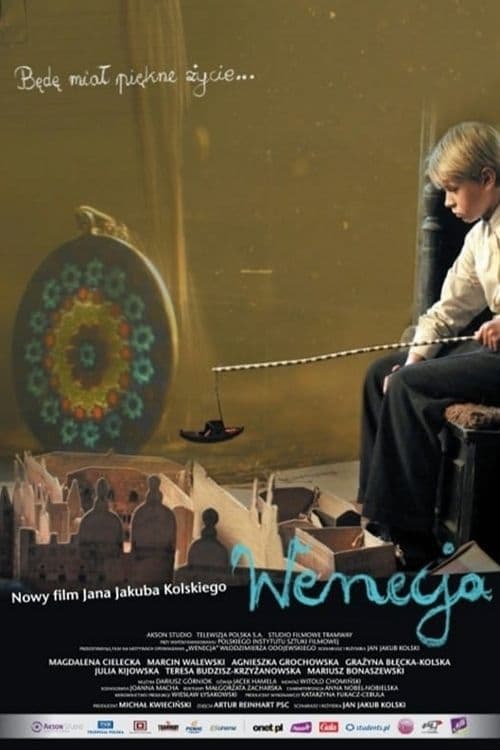
2010
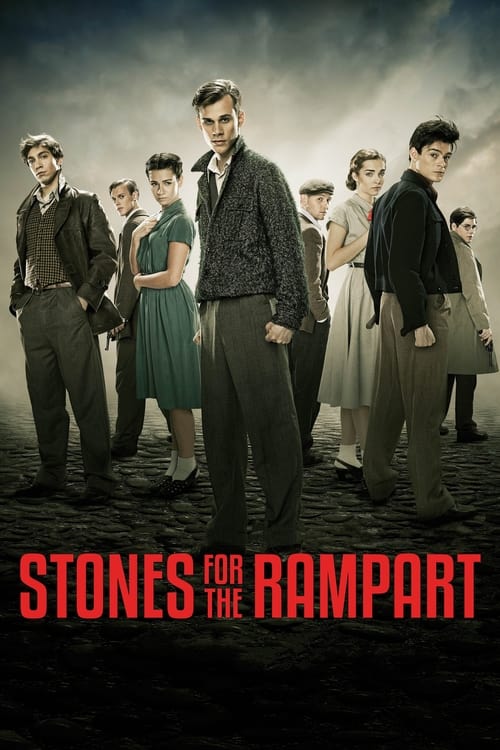
2014
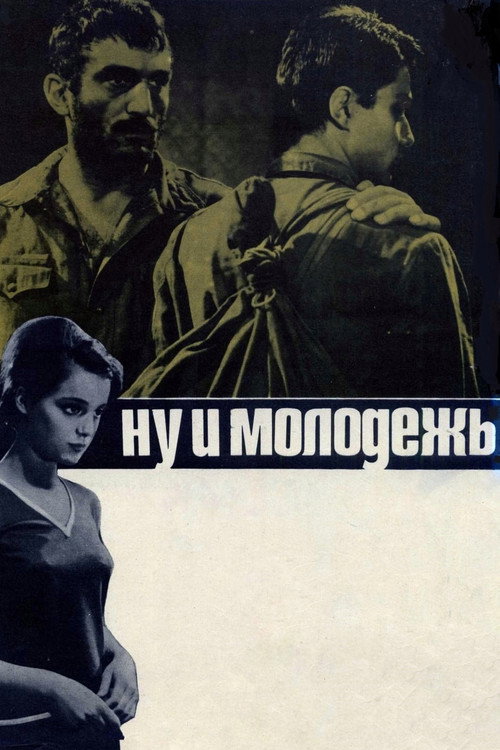
1969
No reviews yet. Be the first to share your thoughts on this movie!
Use the rating form above to leave a star rating and optional review.