
Kiddy Grade III: Truth Dawn
2007
No user ratings available yet
Diversity score: 6.1 out of 10

2007
Director
Keiji Gotoh
Runtime
80 minutes
Average Rating
No ratings yetSynopsis
The story takes place in a future where the human race has expanded and inhabits a multitude of planets in the universe with fantastic technology. Unsurprisingly, crime has grown alongside technology, and thus the GOTT, Galactic Organization of Trade and Tariffs, is formed as a sort of universal police force. Within this organization, there is a special (and secret) branch known as the ES Force (ES standing for "Encounter of Shadow-work"), consisting of twelve young people that possess amazing superpowers. Each ES member operates with another as a team, and the series' focus is a team of two low-level members, Éclair and Lumière. As the series progresses, they start to see the darker side of GOTT and its secrets.
Overall Score
Good
Category Breakdown
LGBTQ+ Representation
The story focuses on the professional partnership between Éclair and Lumière. While queer subtext may exist within character aesthetics, there is no explicit depiction of same-sex intimacy or non-cisnormative identities.
Gender Representation
The film disrupts traditional hierarchies by centering female protagonists in roles of high-level authority. Éclair and Lumière act as primary drivers of agency and elite enforcers within the GOTT.
Racial & Ethnic Diversity
The multi-planetary setting implies a cosmopolitan, post-national society. While stylized anime designs can obscure specific ethnic markers, the interstellar scope suggests a diverse demographic beyond terrestrial racial hierarchies.
Religious & Cultural Diversity
The narrative engages with sophisticated themes of institutional corruption and systemic power. It critiques the ethics of a highly regulated society and the manipulation of information by centralized authorities.
Disability Representation
There is no prominent depiction of neurodivergence or physical disability. The characters' superpowers function as tools of systemic agency rather than explorations of lived experience with disability.
Strengths
Areas for Improvement
AI Analysis
Kiddy Grade II: Maelstrom excels in subverting gendered power dynamics by placing women at the center of its high-stakes technological landscape. The protagonists are not passive observers but the primary architects of action and order. The film's strength lies in its sophisticated social commentary regarding institutional authority. By exploring the darker side of the GOTT, it moves beyond simple heroics to critique the morality of globalized governance. However, the narrative lacks depth in other areas of representation. There is a notable absence of explicit LGBTQ+ identities and meaningful engagement with disability, leaving these dimensions of the human experience unaddressed.
2007

1980

2016
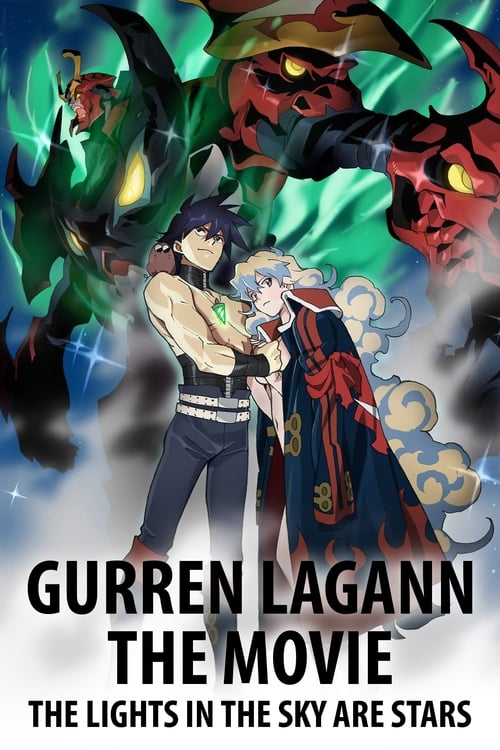
2009

2007

2022

2019
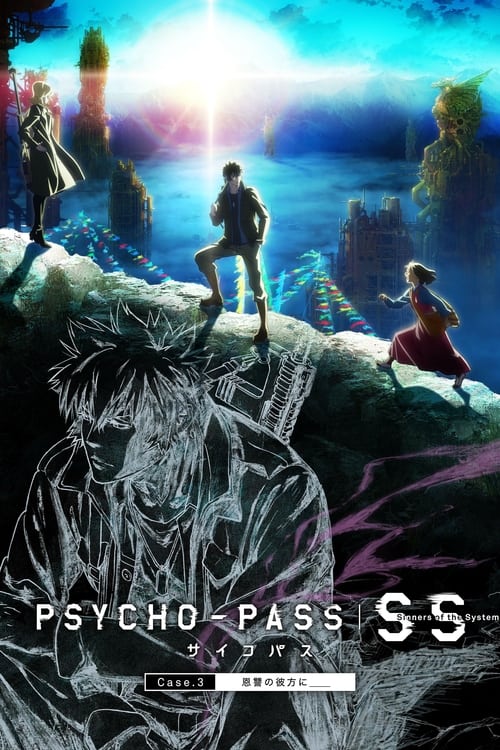
2019

2013
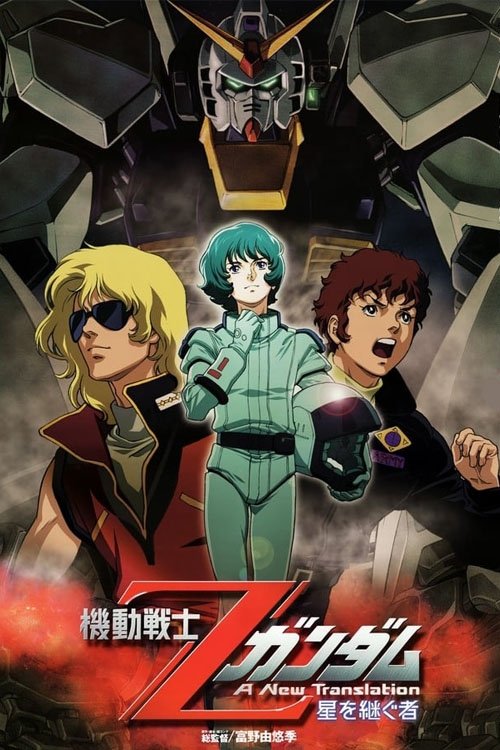
2005
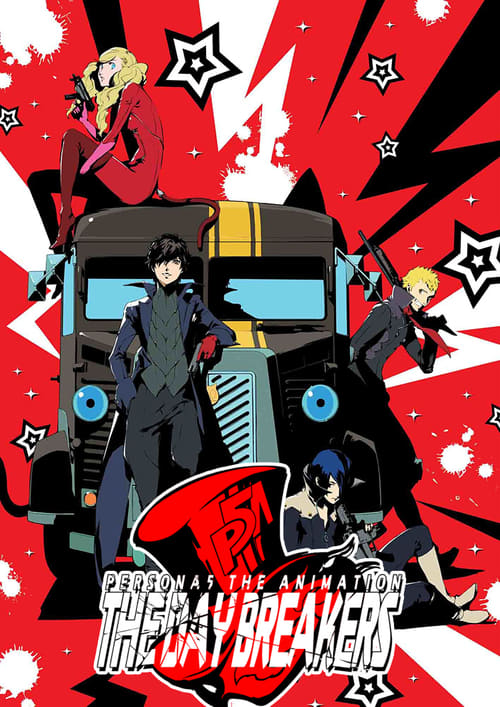
2016

2016
No reviews yet. Be the first to share your thoughts on this movie!
Use the rating form above to leave a star rating and optional review.